
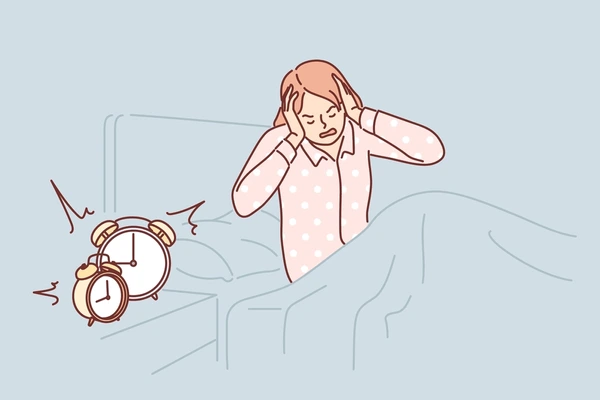
Why We Wake Up Irritable
Many people wake up in the morning feeling irritable, and this is not simply a bad mood or a personality trait. Science explains it through specific processes. When we open our eyes, the brain does not activate immediately but gradually. Some areas remain in deep sleep mode, especially if awakening occurs at an inappropriate phase. At this moment, the part of the brain responsible for self control wakes last, making even minor irritations feel stronger than usual. Hitting the snooze button only prolongs this state and makes the morning even harder.
Cortisol also plays a role. The level of this stress hormone rises sharply in the first minutes after waking. It is necessary to kickstart the body but simultaneously increases sensitivity to stress. If a demanding day lies ahead or you wake up anxious, this morning surge of cortisol amplifies negative emotions. Daylight accelerates the process by suppressing melatonin and signaling the body to become active even if you are not fully ready internally.
Morning discomfort is often linked to a mismatch between biological clocks and the actual schedule. People with an evening chronotype who must wake early are more likely to feel irritable. Differences in sleep schedules between weekdays and weekends create social jetlag, which also affects mood. Sleep deprivation worsens the problem; even a single short night reduces patience, impairs self control, and sharpens reactions to negativity.
After a night of sleep, the body is slightly dehydrated. This can cause fatigue, headaches, and emotional instability. The sudden sound of an alarm further triggers a stress response, so the day begins with irritation from the very first second.
To make mornings easier, it is important to review habits. Sleeping seven to nine hours and waking at the same time every day helps stabilize the biological clock. Gentle light after waking speeds the brain’s transition out of sleep, and a calm alarm sound reduces stress. A glass of water and a simple breakfast ease morning tension, and a moderate amount of coffee restores clarity if the body is accustomed to caffeine.
If morning irritability becomes persistent and is accompanied by snoring, difficulty breathing, or strong apathy, it is advisable to consult a sleep specialist. In some cases, the cause lies in sleep disorders or hidden depression, which require professional attention.