The Myth of Ten Thousand Steps and the Real Activity Norm
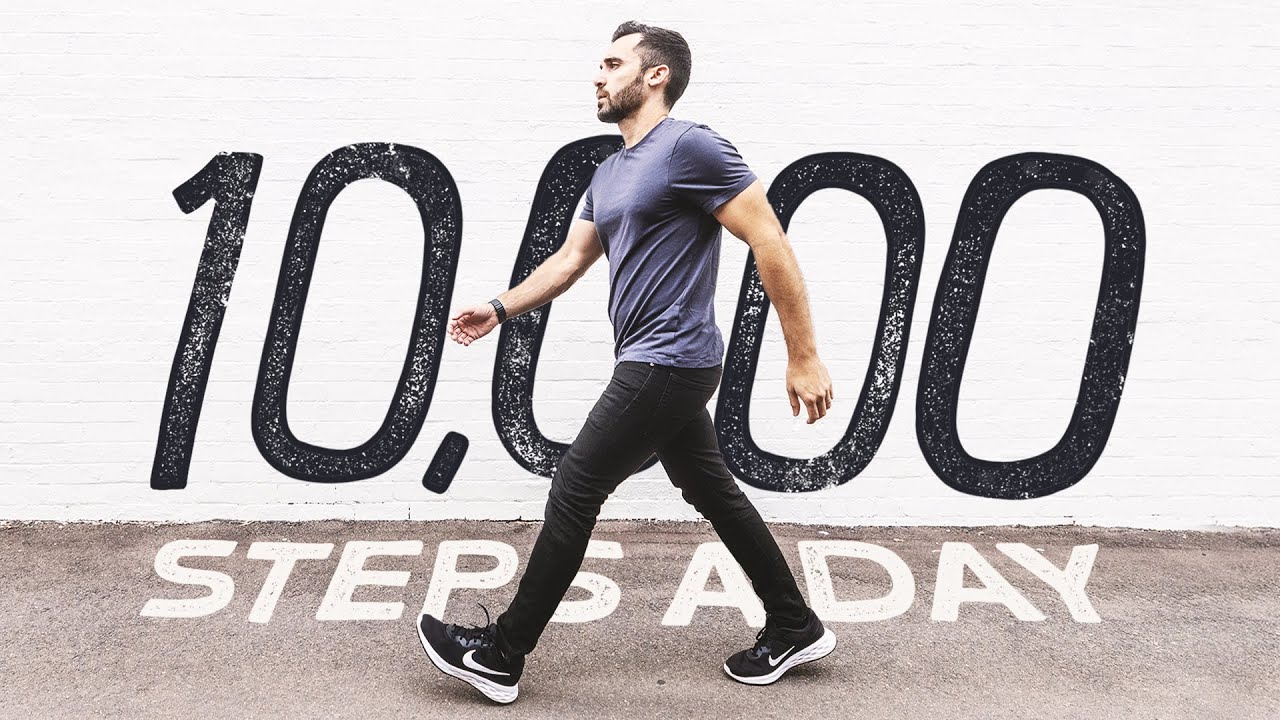
The idea that everyone needs to walk ten thousand steps a day has long been fixed in apps, fitness watches, and in the minds of many people. However, this benchmark did not come from medicine. It was created by Japanese marketers in the nineteen sixties when they released the first pedometer called Manpo kei, which means ten thousand step meter. The number was chosen not on the basis of scientific data, but because the corresponding character resembled a moving person. Successful advertising did the rest, and soon this norm began to be repeated even by large organizations.
In practice, it is impossible to define one number that fits everyone. One person walks at a leisurely pace, another climbs uphill with a heavy backpack. The load is different, yet the step counter shows the same value. That is why modern recommendations focus not on the number of steps, but on how much time and what level of activity a person gets. The World Health Organization considers twenty minutes of brisk walking per day and seventy five to one hundred fifty minutes of more intense activity per week to be sufficient.
If we still speak in terms of steps, research shows that adults need roughly seven thousand to eleven thousand steps per day to maintain health. For a city resident, even five thousand steps can be a reasonable norm. And if ten thousand steps come easily to you, there is no need to stop yourself. What matters is that the activity is regular and suitable for your body.
Walking remains the most accessible way to support health. It helps the joints, reduces the risk of heart disease and diabetes, improves blood pressure, and noticeably lowers stress levels. By adding at least half an hour of brisk walking every day, it is possible to burn one hundred to two hundred extra calories without radically changing your lifestyle.
Increasing the number of steps can be very simple. Getting off one stop earlier, choosing stairs instead of an elevator, setting reminders to stretch once an hour, listening to energetic music, or getting a dog if you have been thinking about it. Small changes gradually add up to a stable habit of moving more.