Likes: Support or Silent Addiction?
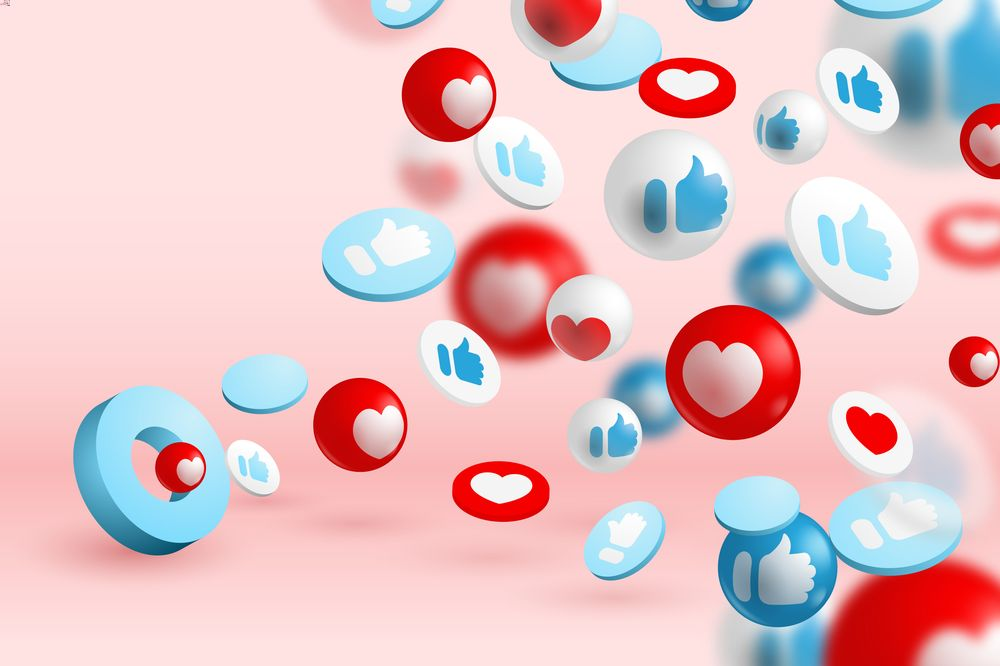
Likes are a modern form of social approval that allow people to feel noticed, valued, and supported. For many, they can serve as a source of motivation, encouragement, and even emotional connection, especially during periods of loneliness or isolation. Positive reactions may reinforce certain behaviors, inspire creativity, and help individuals feel that their efforts matter. In this sense, likes can act as a resource that boosts confidence and provides a sense of belonging in the digital space.
At the same time, problems arise when self-worth becomes closely tied to the number of likes received. If expectations are not met, a person may experience anxiety, disappointment, shame, or a feeling of being rejected. This dependence can lead to constant checking of social media, comparison with others, and a growing gap between one’s real self and an idealized online image. Over time, this may reduce spontaneous creativity, weaken real-life social connections, and increase emotional vulnerability. Because social media is deeply integrated into modern life, complete rejection is unrealistic; however, maintaining balance through conscious use, limiting screen time, relying on offline sources of support, and separating personal value from online reactions can help prevent emotional dependence on likes.