The Middle Child Syndrome: Why Being the Middle Can Be the Hardest
When a third child appears in a family, the familiar balance changes. There are now more children than adults, and parental attention is distributed differently. In this new system, it is often the middle child who has the hardest time. They are no longer the youngest, but not the oldest either, and because of this they seem to hang between roles, trying to understand where they belong.
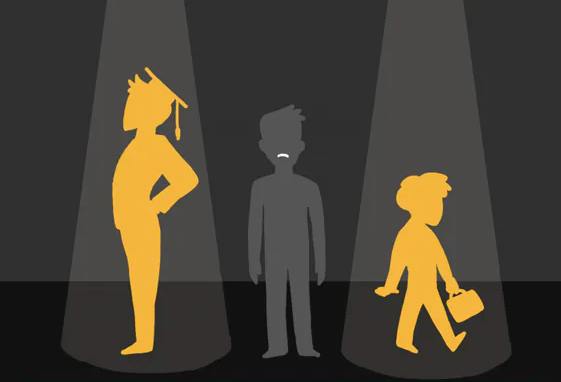
Psychologists call this the middle child syndrome, a state in which a child who is between an older and a younger sibling feels a lack of attention, becomes jealous, emotionally vulnerable, or on the contrary withdrawn. The oldest has authority and experience, the youngest receives unconditional tenderness and indulgence. The middle child, however, often perceives themselves as a kind of layer from whom independence is expected, but without the privileges that the others have.
As a result, problems with self esteem and self identity may arise. The middle child often has nothing that is truly theirs. Everything is passed down, and their own interests may seem less important. In order to be noticed, the child may either begin to protest by breaking rules, or try to become perfect. Always obedient, convenient, and successful. Sometimes this leads to difficulties in school, refusal to try new things, or even psychosomatic issues, illnesses that appear as a result of internal stress.
The consequences can extend into adulthood as well. On the surface, such children often become more flexible and adapt more quickly, but at the same time they may remain sensitive, insecure, and inclined to give in and sacrifice their own desires. It can be harder for them to accept their own value, and they may constantly seek confirmation of love, both from their parents and in relationships.