
Magnesium Deficiency: Why It Is Dangerous and How to Recognize It
Magnesium is one of the key elements without which the body cannot function properly. It is involved in the transmission of nerve impulses, ensures stable muscle function, supports heart rhythm, immunity, and bone health. Normally a person receives part of the required amount from food, but modern levels of stress and lifestyle factors can lead to a lack of this mineral.
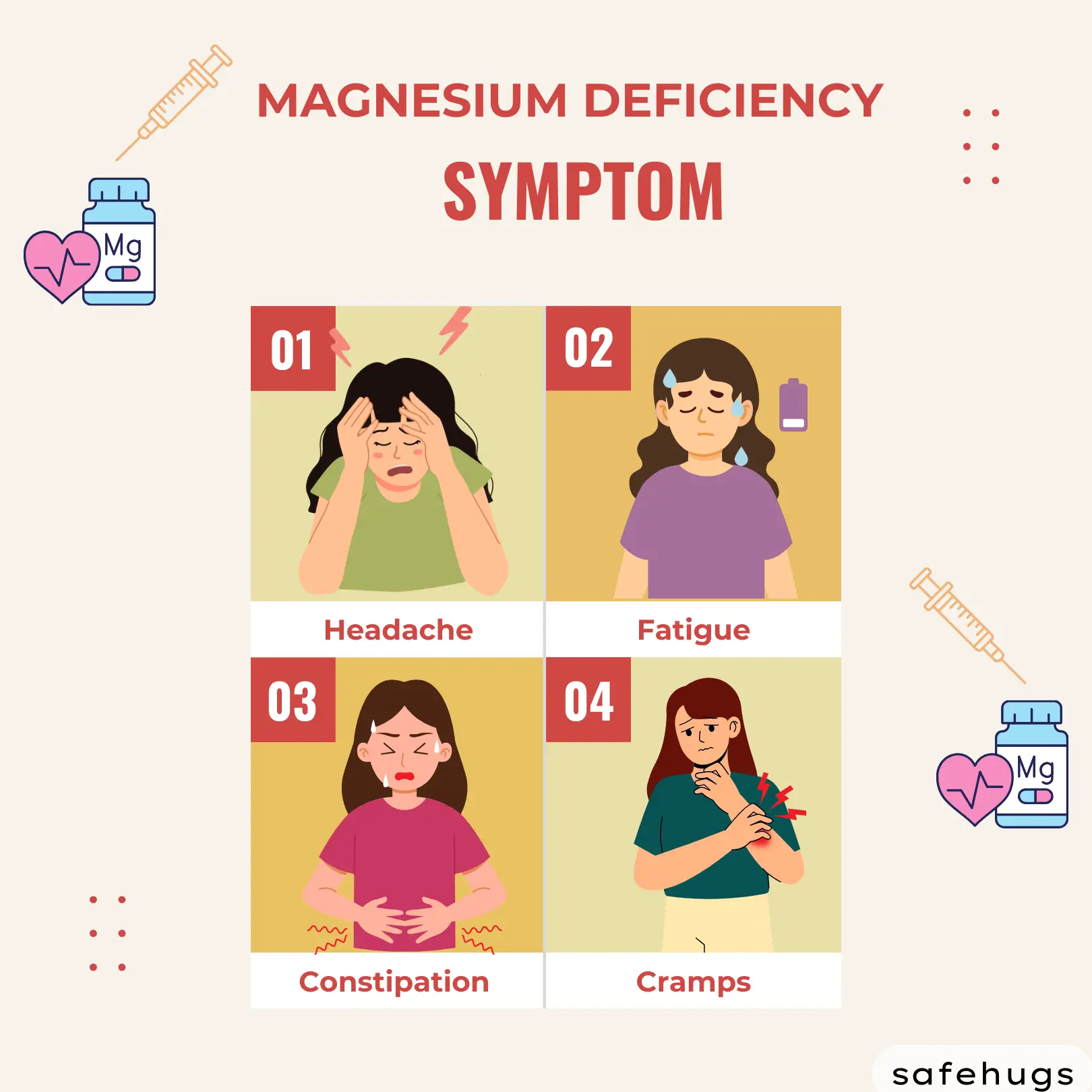
Magnesium deficiency noticeably affects overall well being. Most often it causes irregular heart function, constant fatigue, and reduced productivity. Irritability, anxiety, sleep disturbances, and even panic attacks may appear. Bones become weaker and the risk of osteoporosis increases. Magnesium plays a role in mineral metabolism, and its deficiency makes bone tissue more vulnerable.
There is indeed a connection between magnesium deficiency and stress. During increased anxiety the body uses up this mineral faster. However, it is important not to confuse a normal emotional reaction with an anxiety disorder, as only a specialist can make a diagnosis. To accurately determine magnesium levels, a biochemical blood test is usually prescribed.
Most often, mineral deficiency occurs in people who follow strict diets, experience constant stress, have had severe illnesses, or have gastrointestinal problems. Pregnant and breastfeeding women are also at risk. Although the body tries to maintain magnesium levels, it is impossible to keep balance without regular intake.
Magnesium can be obtained from common foods such as nuts, whole grains, legumes, dairy products, and chocolate. However, if the deficiency is already pronounced, diet alone is not enough. In such cases, a doctor adjusts nutrition and prescribes supplements to restore normal levels.