
Why It Is Difficult to Train the Organism to Sleep Less
The idea that the human body can be trained to sleep less without harming health has long attracted attention online. Many people find it tempting to gain a few extra hours in the day simply by changing habits. Blogs often feature stories of individuals who claim they have managed to bypass the body’s internal mechanisms. Sometimes examples like Leonardo da Vinci or Nikola Tesla are mentioned, suggesting that they supposedly needed only a few hours of sleep. However, the reliability of such stories is doubtful, and scientific evidence points in the opposite direction.
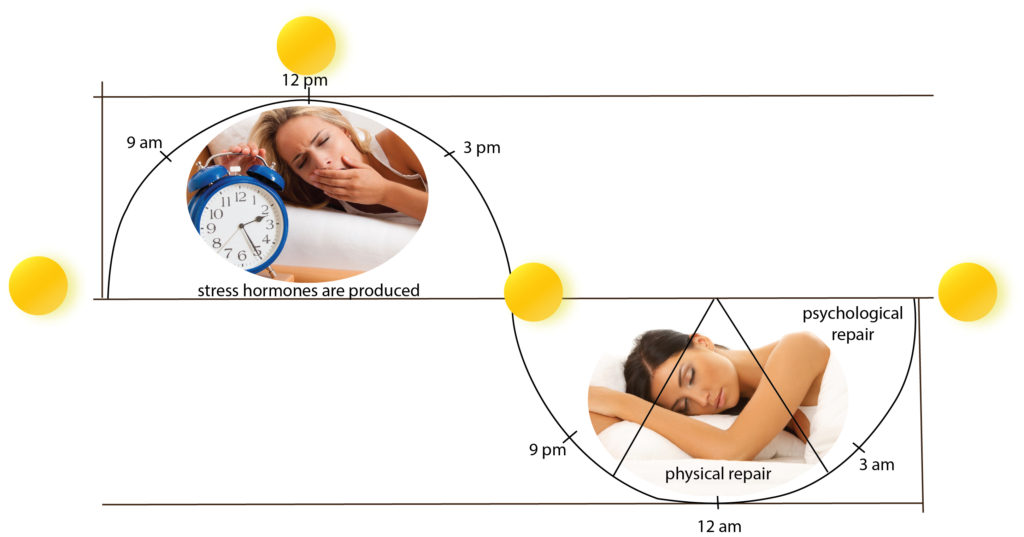
Human sleep is far more complex than it may seem. During the night, the body goes through several cycles of slow wave and rapid eye movement sleep, each of which performs its own restorative function. When nighttime rest is shortened, some of these necessary stages do not fully occur, and the quality of recovery decreases.
Some people действительно can function on very little sleep without serious consequences, but this trait is linked to extremely rare genetic variations found in one person out of many millions. For everyone else, conscious attempts to reduce sleep duration lead to a gradual dulling of the ability to feel fatigue. It may seem as if the body has adapted, although objective indicators show the opposite.
Large scale cognitive studies demonstrate that people who regularly sleep less than seven hours perform worse on tasks involving attention, processing speed, and logical thinking. Similar effects are observed in those who sleep too much, but the consequences of sleep deprivation are far better studied and supported by a larger body of data. The risk of cardiovascular disease, metabolic disorders, type two diabetes, and cognitive problems is higher in people who are chronically sleep deprived, although the exact mechanisms behind these links are still being researched.
Attempts to compensate for lack of sleep using technologies that regulate sleep phases or stimulate brain activity can only reduce short term effects. They do not replace полноценный night rest, and their long term impact remains unknown.
Polyphasic sleep schedules often attributed to certain historical figures have no proven advantages. Their physiological effect essentially mirrors partial sleep deprivation and frequently leads to gradual exhaustion.
Thus, the feeling of becoming accustomed to short sleep is not the result of real recovery but a consequence of adaptation in subjective perception of fatigue. Internal biological processes cannot be outsmarted. Even if a person stops feeling sleepy, the accumulation of physiological damage continues. Long term effects of chronic sleep deprivation are difficult to assess because extended laboratory studies of this kind are impossible for ethical reasons. Therefore, scientists largely agree that deliberate and prolonged reduction of sleep is unsafe, and the idea of training the body to need less sleep remains a myth.