
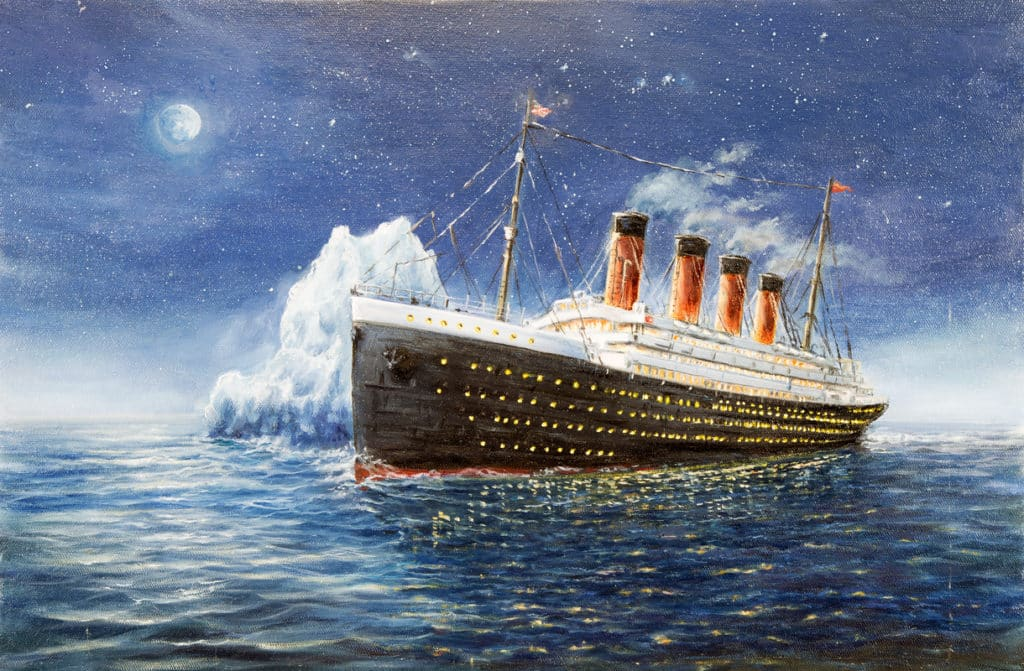
Why Interest in the Titanic Has Not Faded a Century Later
The story of the Titanic continues to fascinate, even though the tragedy occurred over a hundred years ago. The ship’s sinking, which claimed the lives of fifteen hundred people, has long become a source of profit. Insurance companies, auction houses, deep sea tour organizers, and the film industry all benefit from its legacy.
Originally, the Titanic was built as a luxurious response to competitors. The enormous liner with high standards of service was intended to symbolize technological progress. Large sums were spent on construction, tickets were expensive, and the first voyage carried the wealthiest people of the time. But on the night of April fifteenth, 1912, the ship struck an iceberg and sank. The consequences were catastrophic. Insurance payouts to the families of the victims and compensation to cargo owners amounted to huge sums.
When the wreck was discovered in nineteen eighty five, interest in the ship’s story surged anew. Items recovered from the seabed became collectible relics: clocks stopped at the moment of the ship’s sinking, a musician’s violin played until the last second, and passengers’ personal belongings. All these artifacts are sold at high prices.
Later, deep sea tours were introduced. Wealthy individuals were offered trips to the wreck site in special submarines. Such journeys cost tens, and eventually hundreds, of thousands of dollars. The most notable story involves the submersible Titan, which was lost during a dive in two thousand twenty three.
The film industry transformed the ship’s story into a cultural phenomenon. Many films have been made, and James Cameron’s version became one of the most successful movies in history. Even decades later, interest in the Titanic shows no signs of fading. Streaming services continue to bring the film back into their catalogs, especially amid news related to maritime tragedies.