The Concept of Fast Fashion
Fast fashion is a model in which clothing is produced as quickly and cheaply as possible in order to instantly pick up new trends. What appears on runways or on TikTok can turn into affordable mass market items within just a few days. This approach did not emerge by chance. With the development of technology and global supply chains, brands became able to release thousands of new designs every week and constantly stimulate consumer interest.
Before the industrial era, clothing was made slowly and by hand. With the rise of factories, garment production became mass based, and by the late twentieth century it became extremely fast paced. Brands such as Zara completely transformed the system. The time from idea to store shelf was reduced to just a few weeks. The concept of fashion seasons nearly disappeared. Today, companies create dozens of micro trends each year, tracking consumer behavior through social media and online analytics.
The growth of this industry is driven by several factors. Production cycles are extremely fast, output volumes are huge, costs are low, and demand analysis systems are highly advanced. Large online retailers allow inventories to be updated almost daily. As a result, giants like Shein have become global leaders, and the fast fashion market has grown to tens of billions of dollars.
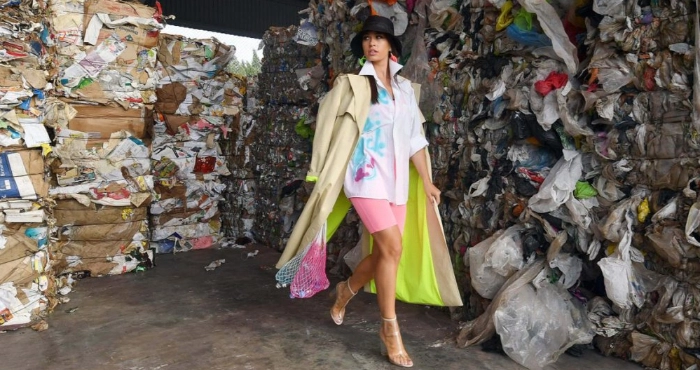
However, the affordability of fast fashion comes at a high cost. Millions of garments are made from synthetic materials that do not decompose and pollute the oceans with microplastics. The industry consumes enormous amounts of water, energy, and chemicals. Every year, tens of millions of tons of clothing are discarded worldwide, and fashion production has become a significant source of greenhouse gas emissions.
There is also a social dimension to the issue. Most factories are located in countries with low wages and weak labor protections. Workers often operate under harsh conditions, and tragedies such as the collapse of the Rana Plaza building in Bangladesh have shown how vulnerable garment workers can be.
Fast fashion also affects our relationship with clothing. Trends change so rapidly that garments become almost disposable. This encourages constant consumption and creates the feeling that wardrobes must always be updated.
An alternative is a slower and more conscious approach. People are increasingly choosing higher quality clothing, supporting local producers, turning to sustainable fabrics, and caring about durability. Second hand stores, vintage shops, and upcycling are growing in popularity, helping extend the life of clothing and reduce waste. Many brands are also shifting toward sustainable practices, paying more attention to repair, recycling, and responsible production.
The future of the fashion industry largely depends on our choices. If we see clothing as something valuable and choose items that last rather than follow fleeting trends, we help create demand for a more ethical, environmentally friendly, and safer system.