Why Madagascar Remains a Cartoon for All Ages
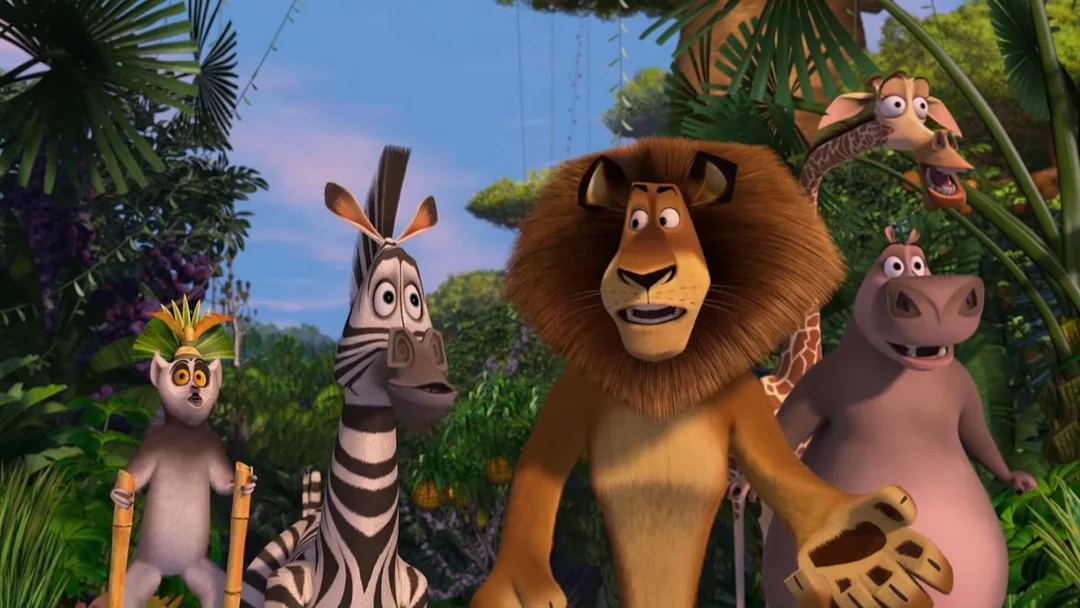
Madagascar has long become one of those rare animated films that brings equal joy to children and adults. When it was released in 2005, audiences immediately fell in love with its colorful characters, hidden humor, and subtle references to adult culture. Interestingly, many key elements appeared by chance. The penguins were originally created for a different project, but they did not fit that story, so they were saved by being added to a new film. King Julien was also almost left as a minor character, planned to have only a few lines, yet over time he turned into one of the main stars.
Some creative decisions were driven by very simple reasons. An okapi character was replaced with a giraffe because most viewers did not know what an okapi was. The visual image of Madagascar in the film does not match real jungles either, since the artists were inspired by the paintings of Henri Rousseau. Even the Central Park Zoo in New York at that time did not actually house most members of the main group.
For adult viewers, the film turns into a game of spotting countless references. There are dozens of them throughout the story. Elements of Planet of the Apes, Cast Away, and Saturday Night Fever appear, along with Shakespeare quotations hidden in the penguins computer interface. Some scenes look like parodies of famous movies, and the behavior of the characters often hints at cultural stereotypes that children do not yet recognize.
The creators generously added jokes for an adult audience, disguising them as harmless lines. For example, Martys phrase Sugar honey ice tea is an encoded swear word, and King Juliens behavior itself becomes a source of hidden humor. Some moments come very close to the edge. These include Melmans conversation about a thermometer and the openly flirtatious dialogues between Gloria and Moto Moto.
Adults catch the hints, while children simply enjoy the adventure. Perhaps it is this dual nature that makes Madagascar a film people want to rewatch at different ages, discovering new meanings each time.