Why It Is Too Early to Give Gadgets to Toddlers and Why Cartoons Before the Age of Three Can Be Harmful
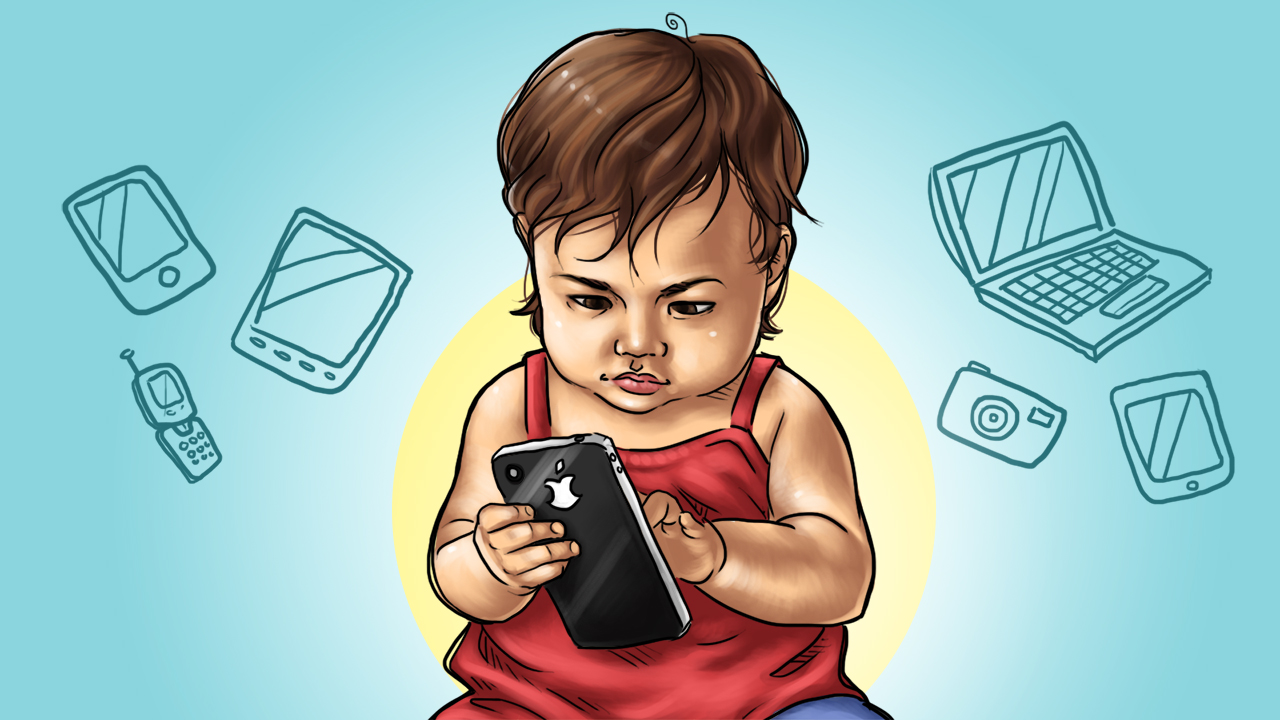
Today, toddlers encounter gadgets almost from birth. Parents give a phone as early as one and a half or two years old, hoping to take a short break. However, early exposure to cartoons is not a harmless form of entertainment. Psychologists remind us that the first three years are the most sensitive period in a child’s life. During this time, basic skills are formed, such as movement, speech, understanding objects, and interacting with people. All of this develops through real sensations, including objects held in the hands, sounds, smells, and tactile play.
When a screen is offered instead of blocks and stacking toys, the child’s nervous and visual systems receive stimulation that is too strong and unnatural. This can slow the development of motor skills and speech, and it can also distort the perception of the real world. Even the calmest cartoon stories overload an immature nervous system. A child may become overexcited or, on the contrary, unusually passive. The risk of attention difficulties increases, because live communication and emotional feedback cannot be replaced by a screen.
The zero plus label is often misleading. It only means that the cartoon does not contain violence or harmful content, but it does not confirm any benefit for very young children. For their development, screen animation still remains a stimulus that is both too early and too intense.
The World Health Organization states that cartoons are not recommended for children under the age of three. After this age, only limited viewing is acceptable. Preschool children should watch no more than thirty minutes a day, younger schoolchildren no more than one hour, and teenagers no more than three hours.
Specialists also point out that up to the age of five, the right hemisphere of the brain develops most actively. This part is responsible for creativity, imagination, and visual thinking. During this period, a child especially needs real experiences such as walks, movement, play, drawing, and communication. The richer a child’s real life is, the lower the chance that they will become overly dependent on gadgets in the future.