
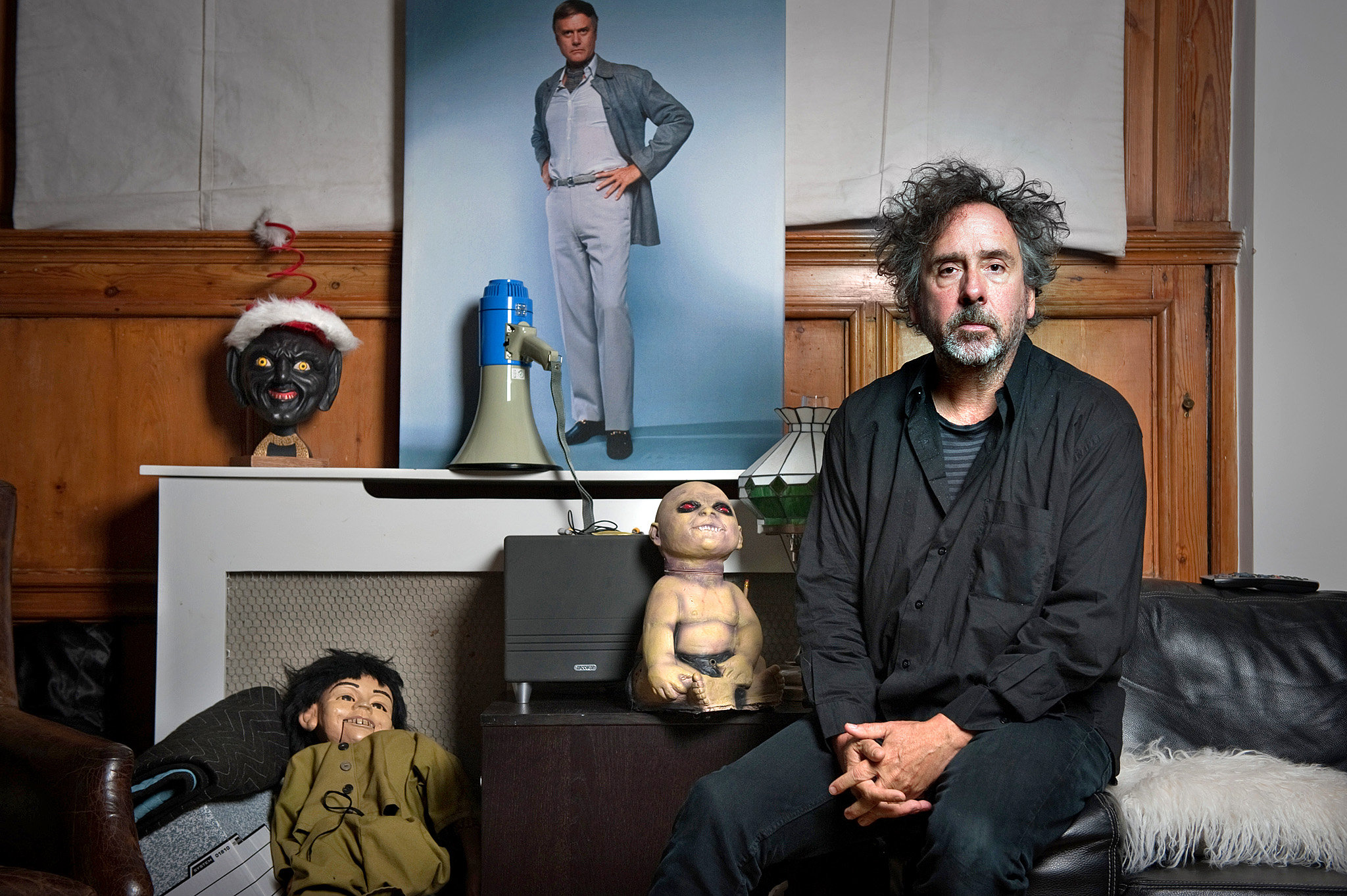
How Tim Burton Turns Reality into an Artistic Dream
Tim Burton is a director who does not show life as it is in reality, but as it might appear in a dream. In his world there are no straight lines or ordinary realism. Funerals easily turn into celebrations, the frightening becomes funny, and dark gothic imagery feels almost cozy. In every frame it is clear that he is, above all, an artist. The space is filled with details, unusual angles, grotesque faces, and fairy tale darkness. That is why his films attract both teenagers and adults. Some find adventure and humor in them, while others see reasons for reflection and recognize numerous allusions.
Burton began as a draftsman and animator, creating short works such as the animated film Vincent. He worked at Disney before breaking into mainstream cinema. Films like Beetlejuice, Batman, and Edward Scissorhands made him a cult figure. He turned Johnny Depp into his recurring leading actor, casting him in a wide range of roles, from the gentle Edward to the murderous barber Sweeney Todd and the mad Hatter. Burton loves dark, almost theatrical worlds such as Victorian London, gothic towns, cemeteries, and foggy forests, and each time he transforms them into vivid, living sets for his dark fairy tales.
In many of his films, the main focus is not the plot itself but the way it is presented. Corpse Bride is a puppet musical in which the world of the living looks gray and faded, while the world of the dead is noisy and joyful. Big Fish is a tender story about a man who spent his life inventing incredible tales, which ultimately turned out to be his true reality. In Planet of the Apes, Burton reinterprets a science fiction classic and turns it into a visual spectacle with ape armies and elaborate makeup. Sweeney Todd is a bloody operetta about revenge, where Burton delights in gothic London as much as in the music. In Alice in Wonderland, he recreates Carroll’s universe through his own vision. The underground world becomes a dark realm, Alice turns into a warrior figure, and the Cheshire Cat becomes an almost perfect symbol of his cinema, simultaneously cute, frightening, and completely unreal.
The main reason people love Burton is that he offers an escape from everyday banality. His films resemble long dreams that can be strange, cruel, and full of dark humor, yet deeply human. Beneath all the gothic imagery and monsters lie themes of loneliness, otherness, the desire for acceptance, and the right to remain oneself, even if you look like a monster or live on the boundary between the world of the living and the world of the dead.