
The Most Unusual Dishes in the World Through the Eyes of Different Cultures
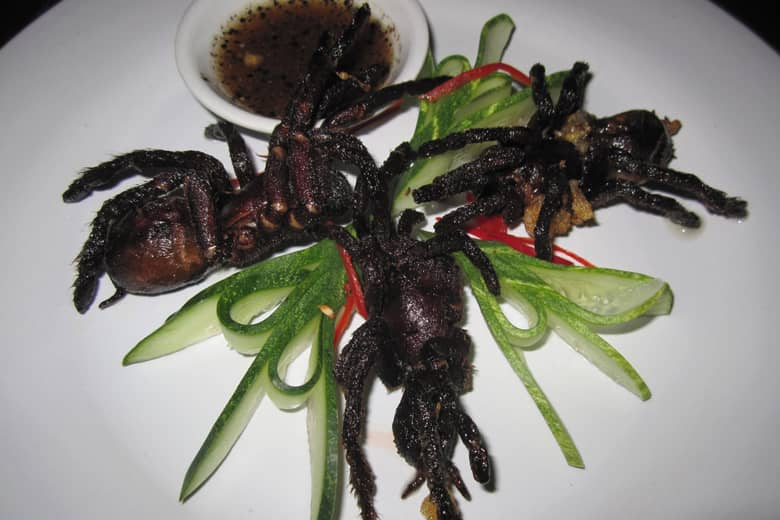
It turns out that almost every country has a dish that looks like a scene from a horror movie to someone from another culture. Sometimes it is simply unfamiliar, and sometimes it can truly be dangerous to life.
In Japan, for example, people serve fugu fish. Its organs contain an extremely powerful poison for which no antidote has yet been created. Chefs spend years training, pass exams, and obtain a special license in order to carefully remove all the dangerous parts. It is said that fugu tastes quite ordinary, and what attracts people is not the flavor, but the thrill of playing with death. In China, century eggs are popular. A raw egg is placed for a long time in a dense mixture of clay, ash, and lime. The egg white becomes firm, transparent, and jelly like, while the yolk turns greenish. It looks frightening, but is considered a delicacy.
On the other side of the world, in Mexico, people eat insects. Ant larvae called escamoles are carefully dug out of the ground and served as an expensive appetizer with tortillas and guacamole. Europe also has its share of bold culinary experiments. Swedish surstromming is herring that continues to ferment inside a sealed can. The lids often swell, and the smell when opened is compared to anything but food. In Sardinia, people make casu marzu cheese, into which fly larvae are deliberately introduced. They turn the cheese into a soft and pungent mass, although it can be dangerous for the stomach.
There are unusual dishes in Russia as well. In Chukotka, people prepare akutaq, the so called Eskimo ice cream made from melted fat, snow, and berries. It looks unusual, but is very high in calories and perfectly suited to the harsh climate. All these examples show that food is not only about taste, but also about cultural meaning. What seems like a nightmare to one person is a familiar treat and an important tradition to another.