Classic Typefaces That Changed the History of Typography
In the history of typography, there are typefaces that have become true classics. They shaped visual culture, transformed design standards, and remain relevant to this day. Each of them emerged in a specific era and carries the spirit of its time.
Garamond appeared as early as the sixteenth century. It is one of the first typefaces created as a complete family with both roman and italic styles. Soft shapes, moderate contrast, and elegant serifs made it ideal for books. This typeface became a true icon of the old style and has remained in demand for centuries.
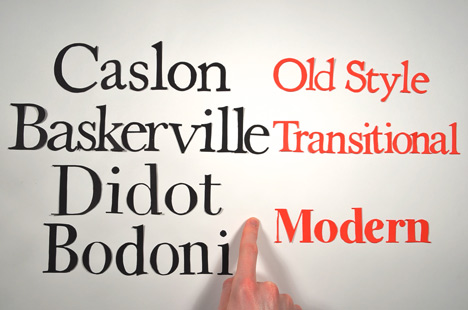
Caslon became the English response to European typography of the eighteenth century. It is considered a warm and noble typeface with high readability and classical proportions. It is no coincidence that Caslon was used in the printing of the United States Constitution.
Baskerville appeared a little later and was distinguished by a special refinement. It became a transitional style between old style and modern serif typefaces. With its strong contrast, elegance, and balance, this typeface gives books a particularly clean and sophisticated look.
Didot has a completely different character. It is a strict and luxurious typeface with a pronounced contrast between thick and thin strokes. Its aesthetic became a symbol of high fashion. It is often found in the logos of French fashion houses and on the covers of Vogue magazine.
The twentieth century brought the rise of many sans serif typefaces. Futura embodied the Bauhaus idea that form should follow function. It is built from circles and straight lines and contains almost no decorative elements. This typeface became a symbol of modernism and is still used today in the visual identities of major brands and in NASA materials.
Closer to the middle of the century, Helvetica appeared. It is an extremely neutral, highly readable, and universal typeface. It took over signage, corporate documents, and branding, becoming one of the most recognizable typefaces in the world. It is often called the air of graphic design.