The Power of Communication: How Conversations Shape a Child’s Emotional World
Conversations with children are not just part of everyday routine but the foundation of how their sense of safety, trust in the world, and ability to build relationships are formed. When an adult responds from the very first days with warmth, attention, and genuine interest, the child develops a feeling that there is someone nearby who understands and supports them. This sense of security becomes the basis for healthy development and self confidence.
For such communication to be truly beneficial, it is important to give the child full attention when they speak and to encourage them to share their thoughts, even if the topic seems insignificant or emotionally difficult. Gestures, eye contact, and tone help reveal what the child actually wants to express. The earlier adults begin talking to a baby, responding to their sounds and pausing as if the child were a full conversational partner, the easier it becomes later for the child to master language and express emotions.
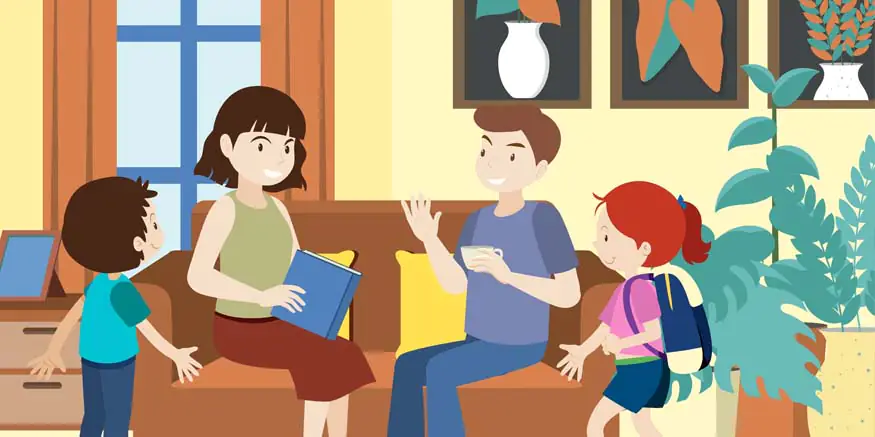
When an adult finds time for a calm conversation at dinner, during a walk, or before sleep, the child feels heard. Gradually they learn to describe their emotions, to distinguish between anger, fear, joy, and fatigue. These are not just conversations about mood. They are the formation of an emotional vocabulary that helps the child understand themselves better. And when a parent notices changes in behavior, for example that the child has become quiet, and gently asks about the reasons, trust grows even stronger.
The ability to actively listen has special importance. It is not only about words, but about attention. Eye contact, clarifying questions, and rephrasing to check understanding create a feeling that the child matters and that their thoughts are genuinely interesting. Often children do not even need advice. They need to know that an adult is nearby, listening, and not dismissing their feelings.
The ability to listen to others does not develop on its own either. Children learn it from their parents. When an adult lets a child finish speaking, explains requests in simple language, and combines remarks with support, the child learns to do the same. They begin to respect the words of others, wait their turn, and try to understand their conversation partner.