
People’s Monuments: When Memory Is Created Together
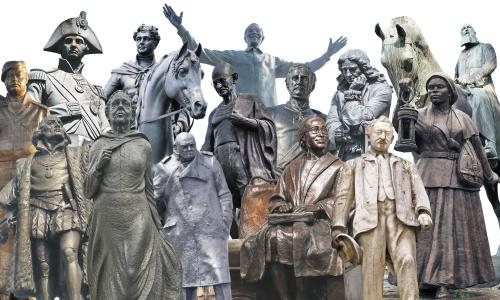
When a person who was known and loved by millions passes away, people naturally want to express gratitude and preserve their memory. That is why the idea of creating a monument together is perceived not as a necessity, but as a form of participation, a chance for everyone to contribute a small part to a shared cause. It is a way of saying that this person mattered and that they are worth remembering.
This tradition has existed for a long time. One of the most famous examples is the monument to Minin and Pozharsky in Moscow, which was funded by donations collected across the country. Similar stories are connected to monuments dedicated to Vladimir Vysotsky. In different cities, people themselves initiated and took part in fundraising efforts. The monument to Pushkin in Moscow also appeared thanks to long lasting public involvement that began with students of the Tsarskoye Selo Lyceum. Funds for monuments to Gogol and Lomonosov were also collected over many years, largely by ordinary people.
Today, the situation has hardly changed. Public initiatives continue to emerge online. Residents of cities and admirers of famous figures organize fundraising campaigns for monuments on their own. This does not happen because of a lack of government funds. It is a way to unite around shared memory. A people’s monument always becomes a symbol of sincere love and collective participation, rather than just a stone sculpture.