I Have No Friends
It is encouraging that many parents today are becoming better at understanding their teenage children. During adolescence, a child is often no longer ready to discuss every concern with their parents. More often, parents themselves suggest that a teenager visit a psychologist to talk about what worries them. Sometimes they even choose a specialist together, focusing on who feels most comfortable for the child.
When a teenager’s difficulties are connected to relationships within the family, psychologists often suggest holding a separate consultation with the parents. During such meetings, personal details shared by the teenager are not disclosed. Only information that directly concerns the parents is discussed. At this age, it is normal for a child to have personal boundaries and private thoughts that are not shared with adults.
In some cases, it becomes clear that the teenager comes to therapy hoping the specialist will help communicate their feelings to the parents. This can be seen in the relief and happiness a child shows when hearing that a conversation with the parents will take place without revealing private confessions.
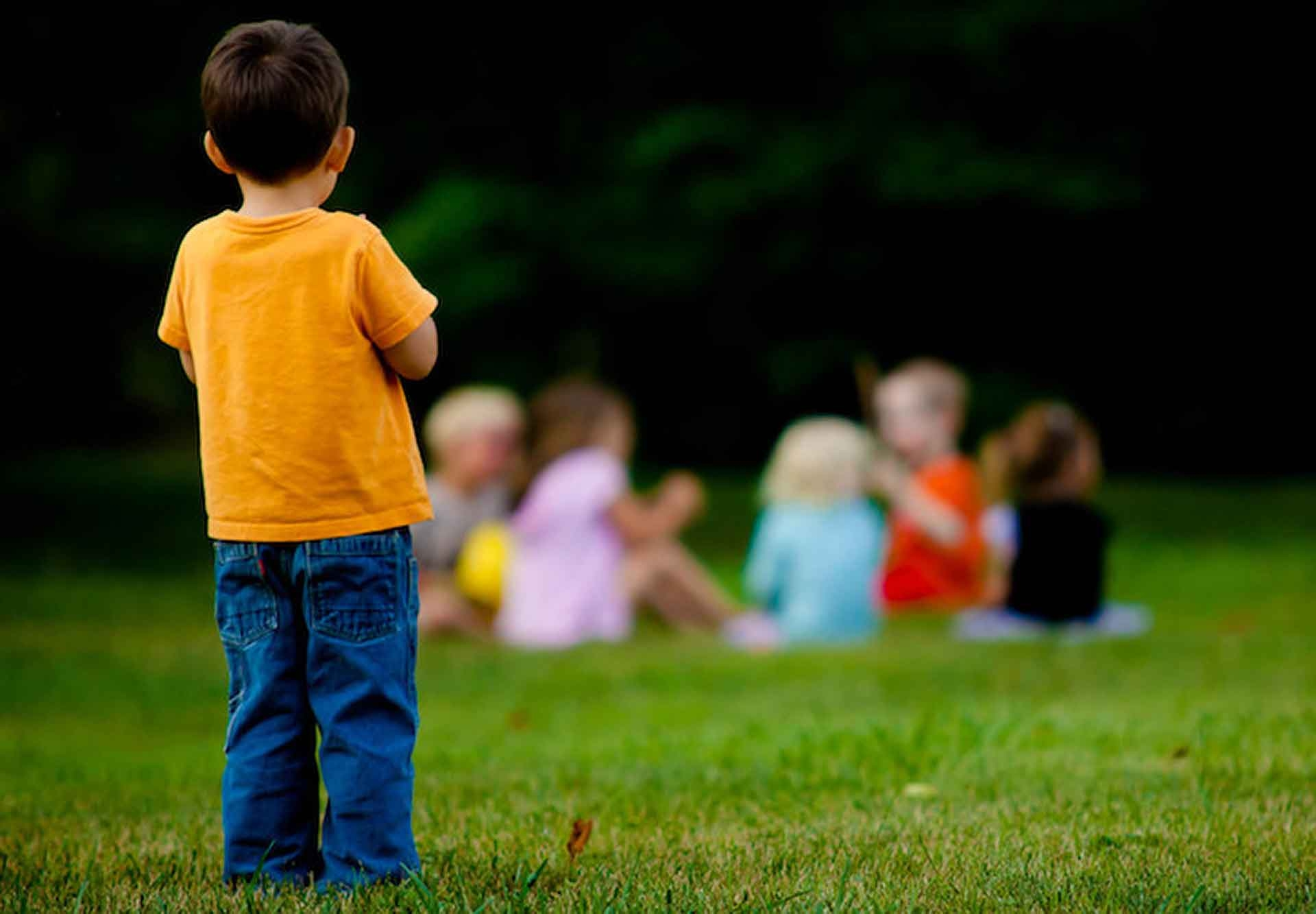
One of the most common concerns adolescents bring to individual therapy is the feeling that they have no friends. Communication with peers is especially important during this stage of life, as it plays a key role in personal development. Through interaction with others of the same age, teenagers learn how to build relationships and understand both their own boundaries and the boundaries of others.
When friendships are absent, a teenager may feel inferior compared to peers who appear socially active. On an unconscious level, the mind seeks experiences that support natural development, and the lack of peer connection can cause emotional distress.
In many cases, a single consultation is enough to help address this concern. The work often begins with a simple question about where friendships can be formed. Together, it becomes clear that friends can be found in many environments such as school, clubs, sports activities, or neighborhood spaces. Attention is also given to the teenager’s interests and hobbies, since shared interests make communication easier and more natural.
The discussion then moves toward whether there are people in the teenager’s environment they like or would like to get to know better. If such peers exist and the teenager feels ready to start a conversation, this step alone can be enough to change the situation.
However, there are cases where the absence of friends is linked to deeper emotional difficulties. In such situations, longer and more detailed work is needed. This, however, becomes a different journey of self understanding and growth.