Toxic Friends: Behavioral Warning Signs
Friendship plays an important role in emotional well being. Friends offer support during difficult moments and bring joy and motivation into everyday life. However, some relationships can be harmful. Toxic friends may slowly undermine emotional stability and, after betrayal, leave a person doubting both others and themselves.
There are several signs that a friendship may be unhealthy.
The first sign is excessive flattery. While kind words are normal between friends, constant praise can create emotional dependence. Toxic individuals often use compliments to manipulate emotions or gain future advantages.
Another warning sign is the lack of support when it truly matters. A toxic friend may disappear during difficult times, always finding reasons to avoid helping. Occasional absence is normal, but repeated emotional unavailability suggests a one sided relationship.
Frequent negative talk about others is also concerning. A person who regularly criticizes friends or acquaintances is likely to judge and speak negatively about those close to them as well. This behavior often serves as a way to feel superior.
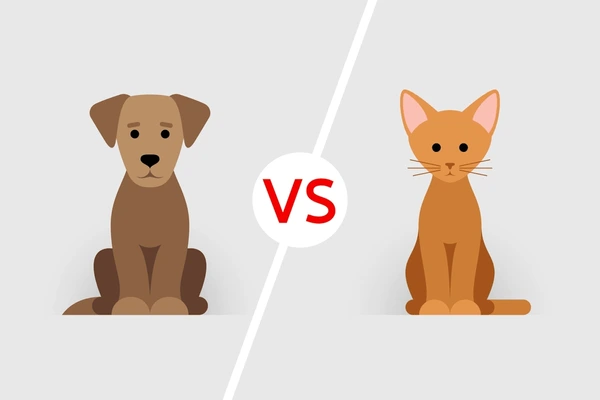
Reactions from children or pets can also be telling. They are often sensitive to emotional tension and may show discomfort around certain people. Such reactions can signal hidden negativity that adults may overlook.
Another sign is unhelpful assistance. Some friends offer advice or help that leads nowhere, creating confusion instead of clarity. This can leave a person feeling more helpless rather than supported.
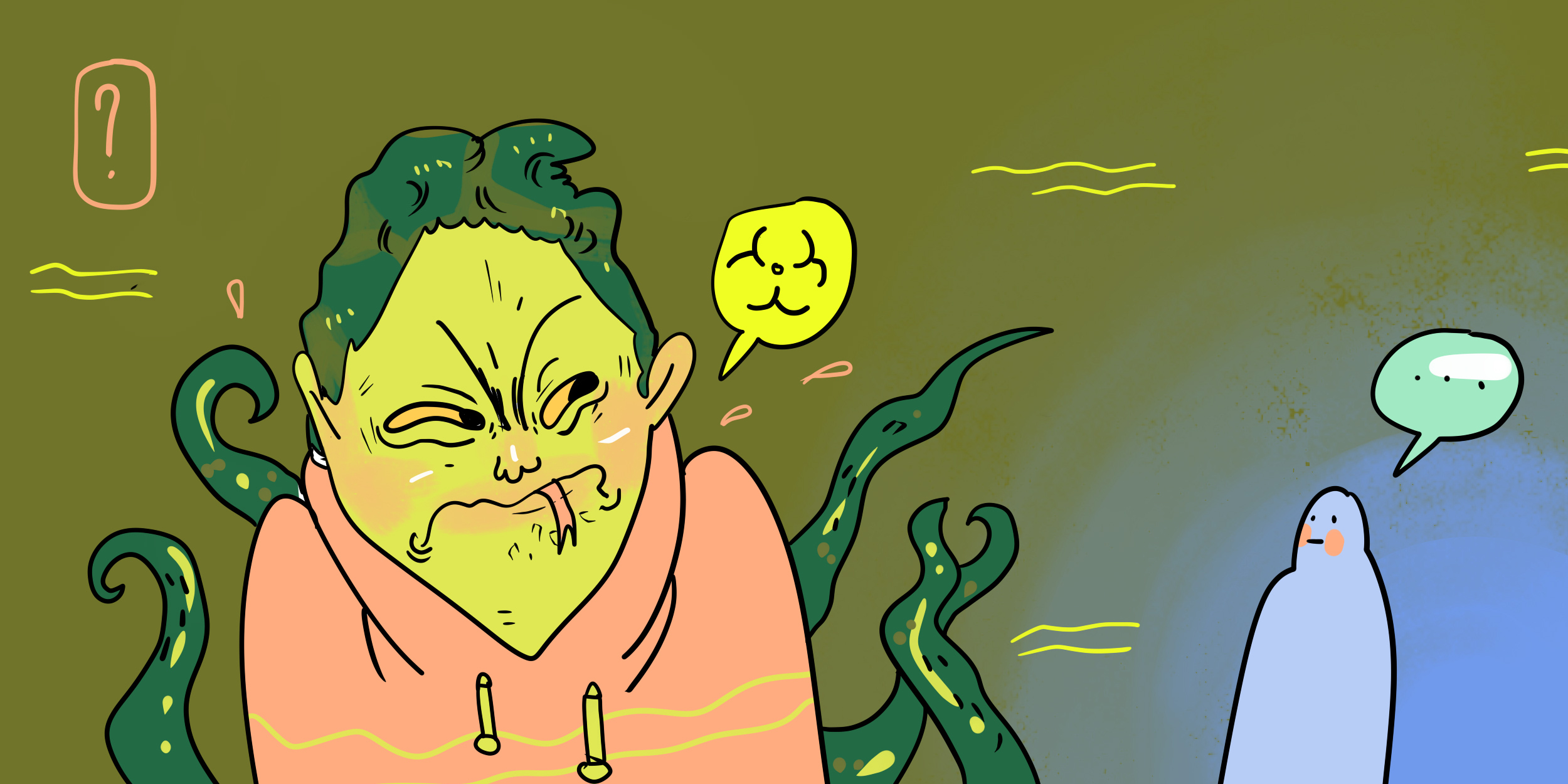
Emotional exhaustion after communication is a strong indicator of toxicity. If conversations consistently leave someone feeling drained, irritated, or discouraged, the relationship may be harmful rather than nourishing.
Finally, first impressions matter. A sense of discomfort or distrust during the first interactions should not be ignored. Intuition often recognizes warning signs before the mind does.
Toxic friendships can damage mental health and self confidence. Healthy relationships should be based on mutual respect, care, and support. Letting go of connections that repeatedly cause emotional harm is not selfish but necessary for well being.