Why Children Are Afraid of Bad Grades
Modern schoolchildren live under constant academic supervision. Digital grade systems make it almost impossible to hide poor results from parents. For some families, this leads to anxiety, strict control, and emotional pressure, which can seriously affect a child’s mental health and motivation to learn.
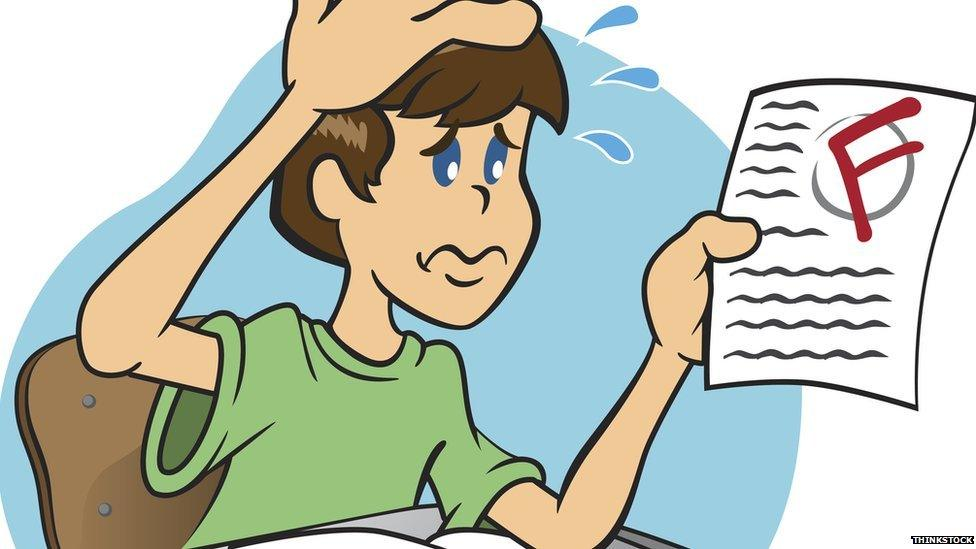
Many parents check grades daily and react strongly to low marks. Even when criticism is not expressed openly, children often sense disappointment. As a result, grades become not just a measure of learning, but a test of parental approval. Some children begin to fear mistakes so much that they associate bad grades with rejection, punishment, or loss of love.
Teachers note that pressure from parents often forces children to use tricks such as hiding mistakes or rewriting work to appear perfect. These behaviors are driven not by a desire to learn, but by fear. Children worry that a poor grade will mean they are no longer seen as successful or worthy.
Educators emphasize that grades do not always reflect real progress. A student may still receive a low mark despite clear improvement. When parents focus only on the final number, they miss effort, growth, and learning itself. This creates frustration and helplessness in children.
Psychologists warn that constant pressure over grades can lead to anxiety, neurosis, and hatred toward school. When love and acceptance seem conditional on academic success, trust between parents and children weakens. Over time, this may affect self esteem and adult life.
Experts advise parents to shift focus from grades to understanding. Instead of judging, they should ask how the child feels about the result and what can be improved. Parents should act as supportive guides, not strict controllers. A child who feels accepted regardless of grades is more likely to learn confidently and grow into a emotionally healthy adult.