“Good Girls Don’t Get Angry and Real Men Don’t Cry”: Why We Suppress Anger and How to Deal With It
Expressing negative emotions is often seen as unacceptable, so many people learn to hide anger, sadness, or irritation. This habit usually begins in childhood, when emotions are divided into “good” and “bad” and children are taught that showing strong feelings is wrong. Later, gender norms reinforce this pattern by telling girls they should be calm and pleasant, while boys should stay strong and unemotional. As a result, many adults grow up unable to recognize or express their emotions openly.
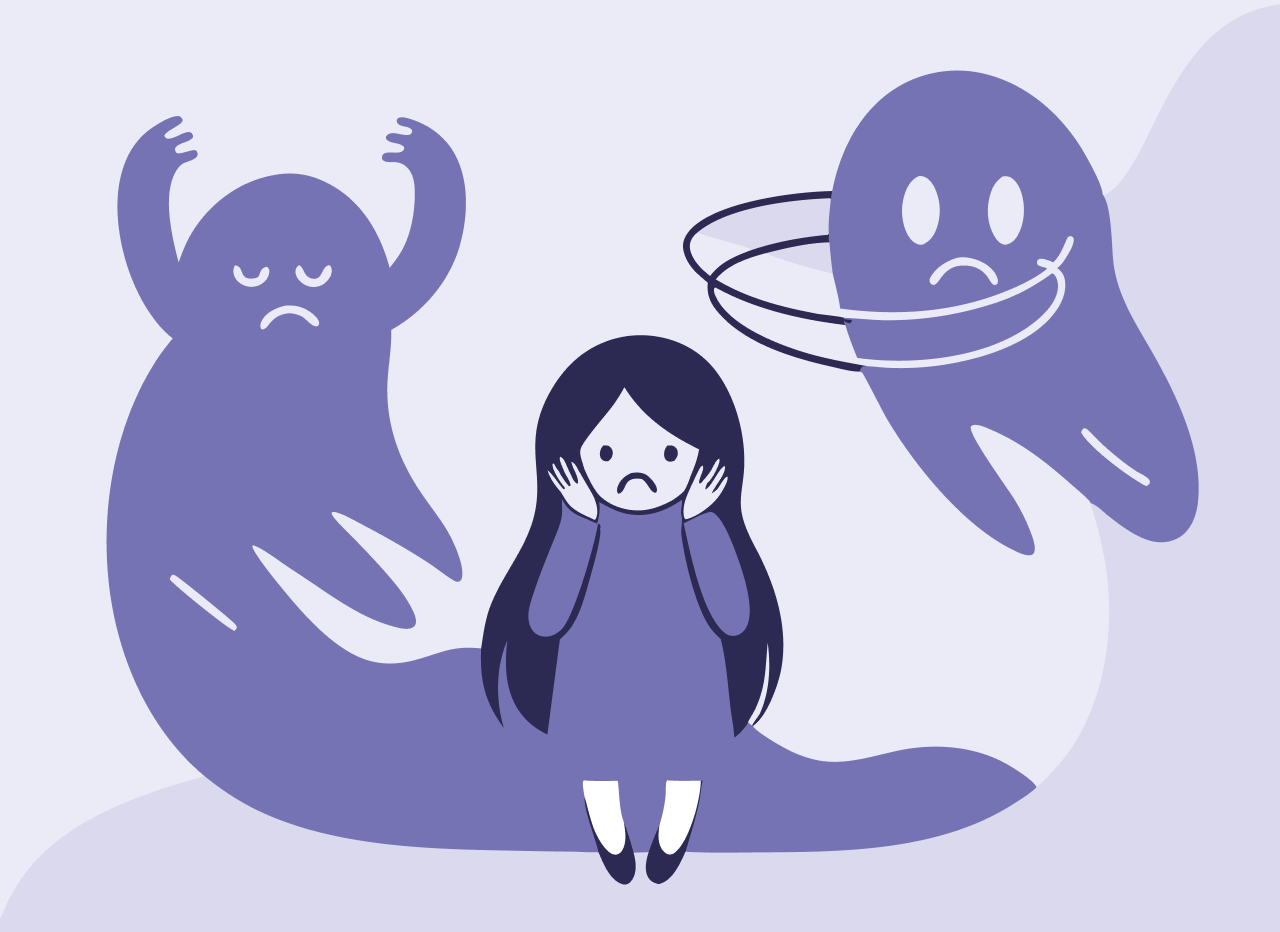
Suppressing anger does not make it disappear. Emotions have a purpose: they signal what is happening and help the body react appropriately. When anger is constantly pushed down, it often turns into physical tension, headaches, jaw clenching, or chronic stress. Over time, suppressed emotions can contribute to anxiety, depression, addictions, or sudden emotional outbursts over small triggers. People may also struggle with relationships, avoid setting boundaries, or express anger indirectly through sarcasm or passive aggression.
Signs of suppressed anger include constant irritability, guilt, shame, high self-criticism, and difficulty understanding what you feel. Someone may believe they “never get angry,” yet often feel sadness or emptiness instead. This emotional blockage makes it hard to make conscious choices and stay connected to one’s real needs.
Learning to express anger in a healthy way starts with allowing it to exist. Physical activity, simple tasks, or breathing exercises can help release built-up tension, but these methods mainly reduce symptoms. To create real change, it is important to identify what causes the anger, acknowledge the feeling without judging it, and decide how to respond constructively. If this feels too difficult alone, working with a therapist can help. Therapy provides a safe space to understand emotions, learn to name them, and take responsibility for expressing them without harming yourself or others.