
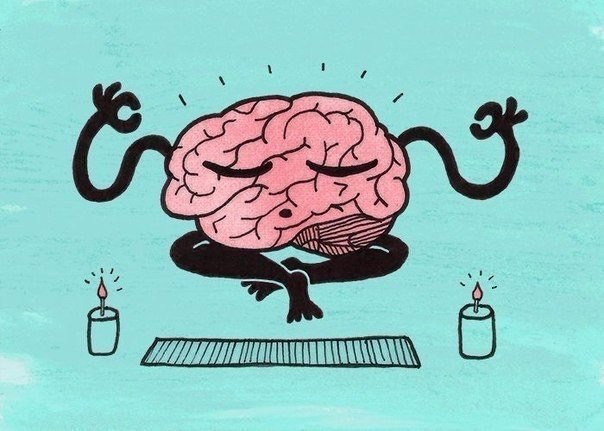
Not Just Emptiness: What Happens in the Brain When the Mind Switches Off
We usually think of being awake as a constant stream of thoughts, but research shows that the brain can briefly “switch off” even during full wakefulness. This state is neither sleep nor meditation. It is a short moment when awareness fades and a person later realizes they were not thinking about anything at all.
Scientists studying this phenomenon describe it as a temporary blankness of consciousness. It often appears after lack of sleep, mental overload, or long periods of concentration. On average, people experience such moments during a noticeable part of their waking time. Unlike mind wandering, where thoughts jump from one topic to another, this state involves reduced attention, silence of inner speech, and increased sleepiness, which can lead to simple mistakes.
Brain imaging shows that during these episodes activity decreases in areas responsible for attention, language, memory, and perception. Heart rate slows, pupils become smaller, and brain waves start to resemble those seen in sleep. Researchers call this a form of local sleep, when certain brain regions briefly rest while the person remains awake.
These moments are more common in children and adults with attention difficulties, as well as in people experiencing anxiety, neurological conditions, or extreme fatigue. Importantly, scientists emphasize that this is not a malfunction. It is a natural self-regulation mechanism that helps the brain recover when it is either overstimulated or underactivated.
Understanding this process can be useful in everyday life. Frequent lapses in attention may signal exhaustion and the need for breaks. Short pauses between tasks, sufficient sleep, and mindfulness practices can reduce errors and support mental performance. Rather than fighting these moments, learning to recognize them can help us work with the brain’s natural rhythms instead of against them.