Why We Lose Friends as We Get Older and How to Stop It
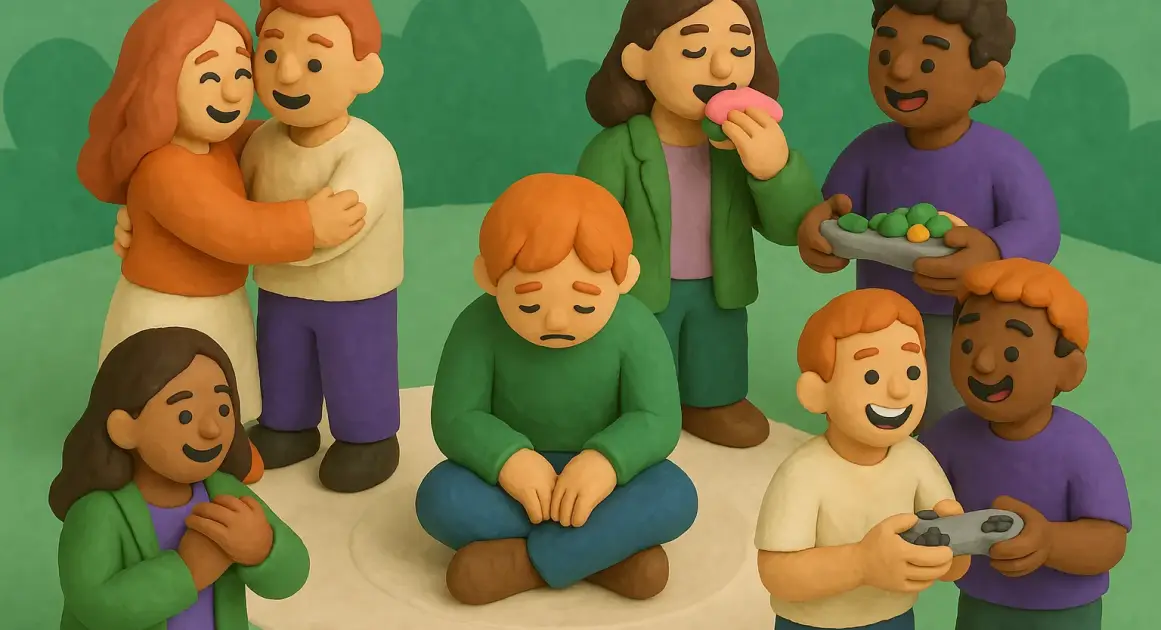
Most of us start building friendships early in life. As children, friends come easily through school and neighborhood play, and in our teens friendships become emotionally deeper, often replacing parents as a source of support and understanding. In our twenties social life usually reaches its peak: studies, work, relationships, and shared experiences constantly bring new people into our lives. Yet after thirty, many notice a quiet shift. Friendships begin to fade, meetings become rare, and the circle of close people steadily shrinks.
One key reason is that our needs change with age. When we are young, we seek variety, exploration, and new impressions. As we grow older, we become more selective. Time feels limited, so we invest only in relationships that bring emotional safety, warmth, and meaning. Casual connections fall away, not because of conflict, but because they no longer feel essential.
Family also takes priority. Romantic partners often replace friends as companions for leisure, emotional support, and daily life. When children appear, time and energy shrink even further. Interests diverge, schedules clash, and friendships slowly weaken, especially between people whose life paths look very different.
Another major factor is lack of time. Work, responsibilities, and constant pressure leave little space for maintaining friendships. Even strong bonds can fade simply because people stop showing up. Moves to new cities, career changes, or unexpected losses also quietly break connections. Most friendships in adulthood end not through betrayal, but through circumstance.
Despite this, friendship remains crucial at every stage of life. Research consistently shows that strong social ties protect mental health, reduce depression, and even support cognitive function in older age. Long term studies reveal that people with close relationships live happier and healthier lives than those who are isolated.
The solution is simple but not easy: friendship requires effort. Staying connected means scheduling time, reaching out first, and treating relationships as a priority rather than an extra. At the same time, changing your environment helps. New hobbies, group activities, sports, or learning spaces naturally create opportunities for new bonds. Making friends later in life is possible, and often those relationships are deeper and more intentional.
Losing friends with age is common, but loneliness is not inevitable. Friendship, like health, survives only when we care for it deliberately.