
How Moving Abroad Changes Your View of Life
Moving to another country often transforms far more than your address or daily routine. Over time, it reshapes how you see yourself, how you relate to others, and what you consider “normal.” Many people who move abroad eventually face questions of identity, belonging, and home. As new habits form and unfamiliar cultural rules become part of everyday life, you may notice that your original worldview slowly begins to shift.
One of the biggest changes happens to cultural identity. When you settle in a new country, you start absorbing local values, social norms, and ways of thinking. This does not mean losing your original identity. Instead, many expats develop a second one that exists alongside the first. You may feel like one version of yourself in your home country and another in your new environment. Simple things, such as how you move around the city, interact with strangers, or manage time, begin to reflect the culture you live in rather than the one you grew up in.
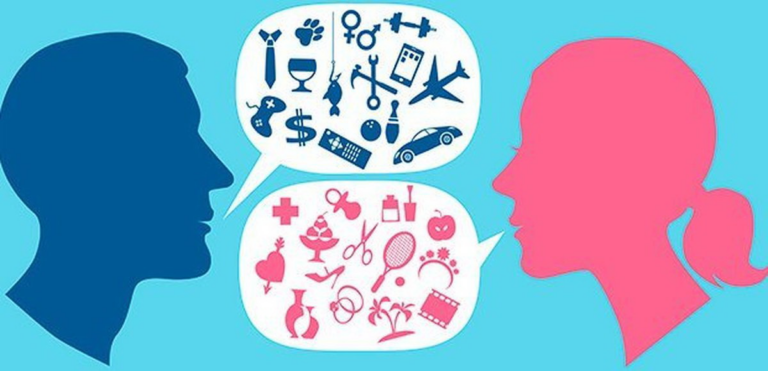
Language plays a powerful role in this transformation. Learning and regularly using a new language can subtly change your personality and communication style. Some people become more direct, others more reserved, depending on the cultural norms tied to the language. Over time, even your native language may feel different, as certain words, expressions, or habits fade or change. Language is closely connected to culture, so thinking in another language often means seeing the world through a different lens.
Relationships also take on new meaning abroad. When family lives far away, friends often become your main support system. Shared experiences of adaptation, homesickness, and cultural confusion can create deep bonds. As a result, the definition of family becomes broader and more emotional, based less on background and more on trust and mutual support. Home, in this sense, becomes not a place, but a feeling created by the people around you.
Many expats also experience reverse cultural shock when returning to their home country. Familiar environments can suddenly feel strange or overwhelming, and old habits may no longer fit. This moment often makes it clear that living abroad has permanently changed your perspective. You may realize that you now belong to more than one place, or perhaps to none in a traditional sense.
In the end, moving abroad is not just a geographical change but an internal one. It challenges your assumptions, expands your sense of identity, and teaches you that belonging is flexible. While the process can be confusing or uncomfortable at times, it often leads to a deeper understanding of yourself and the world.