
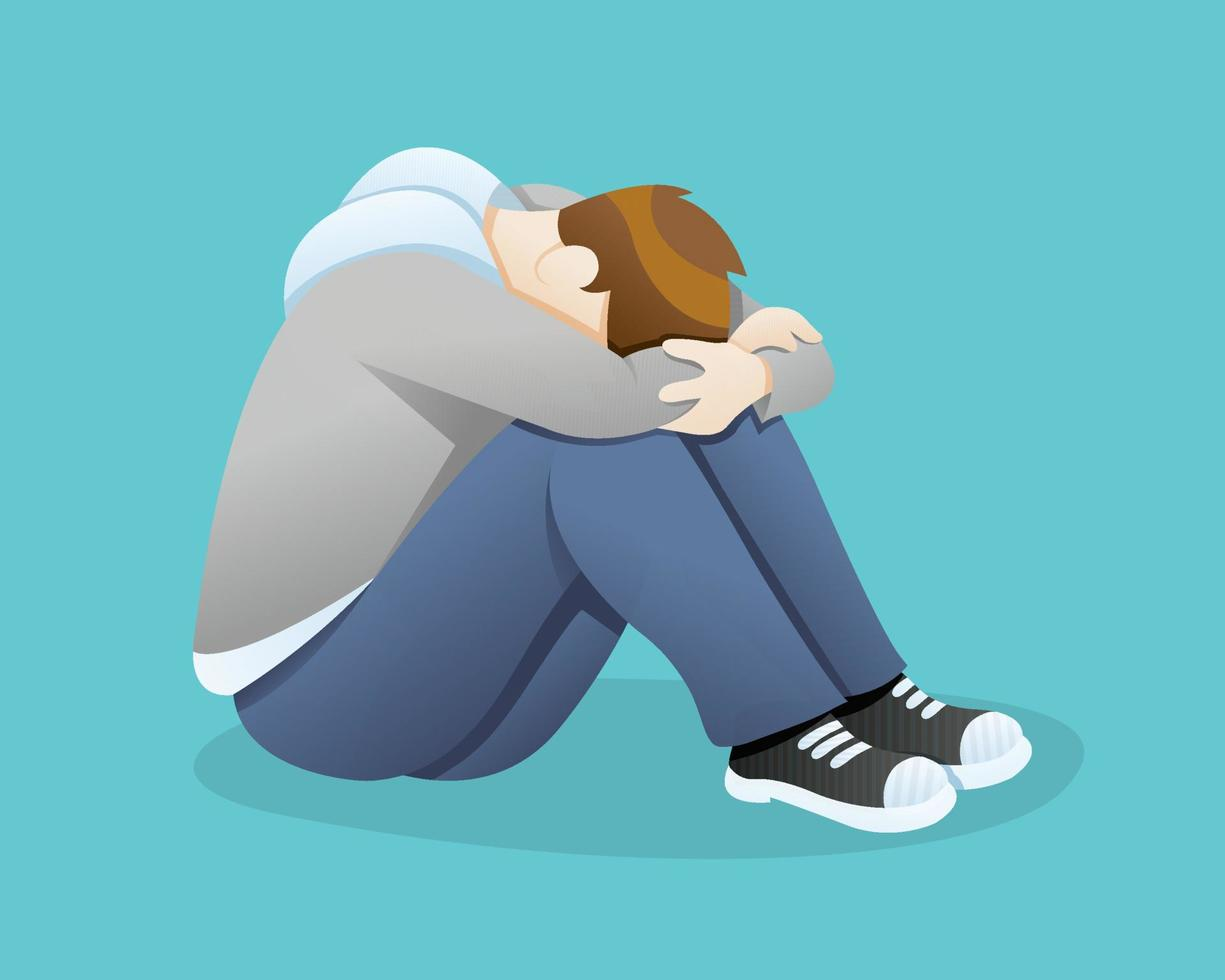
Wounds of the Past That Echo in the Present
We live in a complex and turbulent time, and against the background of external events strong emotions rise inside us. But it is important to remember that our reactions are shaped not only by what is happening now, but also by which wounds from the past are being touched. Sometimes events in the present resonate much more strongly precisely because they remind us of something from childhood or family history.
We do not choose the families or countries into which we are born. The history of the post Soviet space is marked by wars, losses, changes of political systems, and instability. Our parents, grandparents, and great grandparents went through a great deal and developed their own ways of surviving. These strategies such as staying silent, enduring, keeping a low profile, and always being on guard were often passed on, becoming part of family patterns. As a result, we often react to events not only with our own experience, but with the experience of several generations.
In many families, rules born out of long standing fear are still noticeable. You must not speak loudly, you must not make decisions independently, you must not openly express emotions. If a child grew up next to adults who themselves could not cope with fear and anxiety, then even in adulthood the world will feel unsafe to them. An internal belief forms that danger should always be expected, relaxation is not allowed, and trust is risky.
If there was a lack of stability in childhood, if the departure or arrival of adults was always unexpected, then any uncertainty in adult life will be perceived as a threat. When there is a lot of instability around us and plans collapse, a feeling arises as if the ground is slipping away beneath our feet.
Helplessness also takes shape in childhood. A child asked for help but did not receive it. They wanted to change the situation but had no way to influence it. This forms a belief that trying is pointless and nothing depends on them. But this is only a child’s perception and it does not reflect the real possibilities an adult has today.
Shame and fear of rejection appear when a child is criticized, mocked, or forced to meet expectations. In such families it is impossible to be oneself without the risk of punishment or rejection. Later, even as an adult, a person continues to hide their desires, fears making mistakes, and worries about disappointing others.
It is important to remember that we are no longer children. We have resources now that we did not have back then. We can become aware of our reactions, notice their roots, and change what can be changed.
If a sense of danger arises inside, it is worth calmly assessing reality and seeing what can be controlled right now. It is helpful to create small islands of stability for oneself such as a daily routine, repeating habits, and plans at least for the near future.
If helplessness appears, it is important to separate events into those that do not depend on us and those where we can do at least something. Even a small action restores a sense of influence. We cannot change global politics, but we can take care of ourselves, our health, our work, and our relationships.
If shame and fear of rejection hurt, it is necessary to learn to hear one’s own desires, respect personal decisions, and set boundaries. This can be difficult, especially if such behavior was punished in childhood, but it is exactly this process that helps a person develop a sense of inner support.