What Are Cognitive Biases
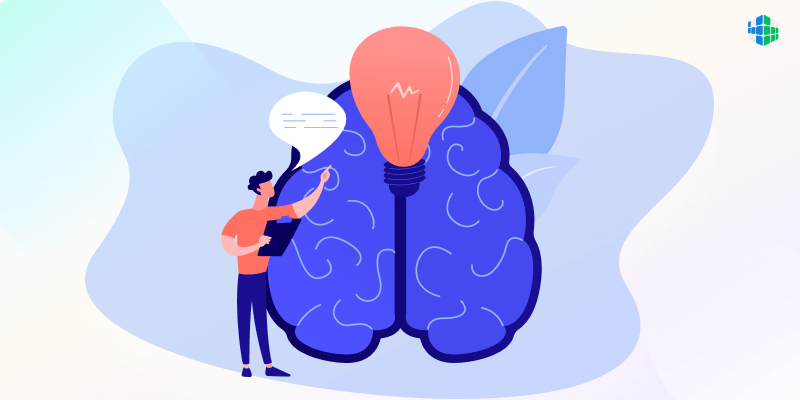
Cognitive biases are systematic errors in thinking that occur when the brain tries to simplify how it processes information. Every day our minds receive an enormous amount of data, so they rely on shortcuts and mental labels to make quick decisions. These mechanisms help save energy, but they often lead to distorted perceptions, incorrect conclusions, and poor decisions.
Biases arise for different reasons. Sometimes they are linked to the way we remember events, and sometimes to what we pay attention to. Memory is selective, attention is limited, and the brain does not always choose objectively. As a result, we tend to notice information that confirms our existing beliefs, underestimate opposing evidence, and confuse personal experience with reality. This leads to errors in judgment, complicates communication, interferes with problem solving, and can contribute to anxiety and emotional burnout.
There are many cognitive biases, but some are especially common. One of them is the actor observer effect, where we explain other people’s mistakes by their character, but our own by circumstances. Another is anchoring, when the first impression strongly influences all later judgments. Attentional bias makes us focus only on details that seem especially important or threatening, while ignoring everything else. The availability bias leads us to trust information that is easier to recall, even if it does not reflect the real situation.
There are also other well known distortions. Confirmation bias pushes us to seek only information that supports our beliefs. The Dunning Kruger effect causes people with low competence to feel overly confident. The false consensus effect makes us assume that most people think the same way we do. Functional fixedness limits creativity by making us see objects or people in a very narrow way. The halo effect shapes our opinion of someone based on a single trait, often appearance. Optimism bias refers to the tendency to underestimate risks and overestimate the likelihood of success.
It is impossible to completely eliminate cognitive biases because they are built into how the brain works. However, it is possible to become aware of them and reduce their negative impact. This starts with recognizing that everyone has biases and paying closer attention to your own reactions. It helps to slow down decision making, especially when you are tired or in a hurry, to check information, seek alternative perspectives, and accept that you can be wrong. Exposure to diverse viewpoints and the practice of critical thinking allow you to see situations more broadly and avoid rushed conclusions.