
Why People Chose to Settle in the Far North Despite Its Harsh Climate
From the earliest stages of human history, people have constantly moved in search of survival, food, and new opportunities. Exploring unfamiliar and difficult environments is a natural part of human development. While Antarctica still remains largely uninhabited due to its extreme conditions, northern regions were settled long ago. Thousands of years ago, the climate there was milder, and vast northern areas turned into open grasslands during summer, supporting large animals and providing reliable hunting grounds.
During the Ice Age, much of Eurasia shared similar cold landscapes, meaning life in northern and southern regions was not as different as it seems today. Food preservation was also less of a concern in cold climates, as low temperatures allowed meat to remain fresh for long periods. This made survival in the North, in some ways, more stable than in warmer regions where food spoiled quickly.
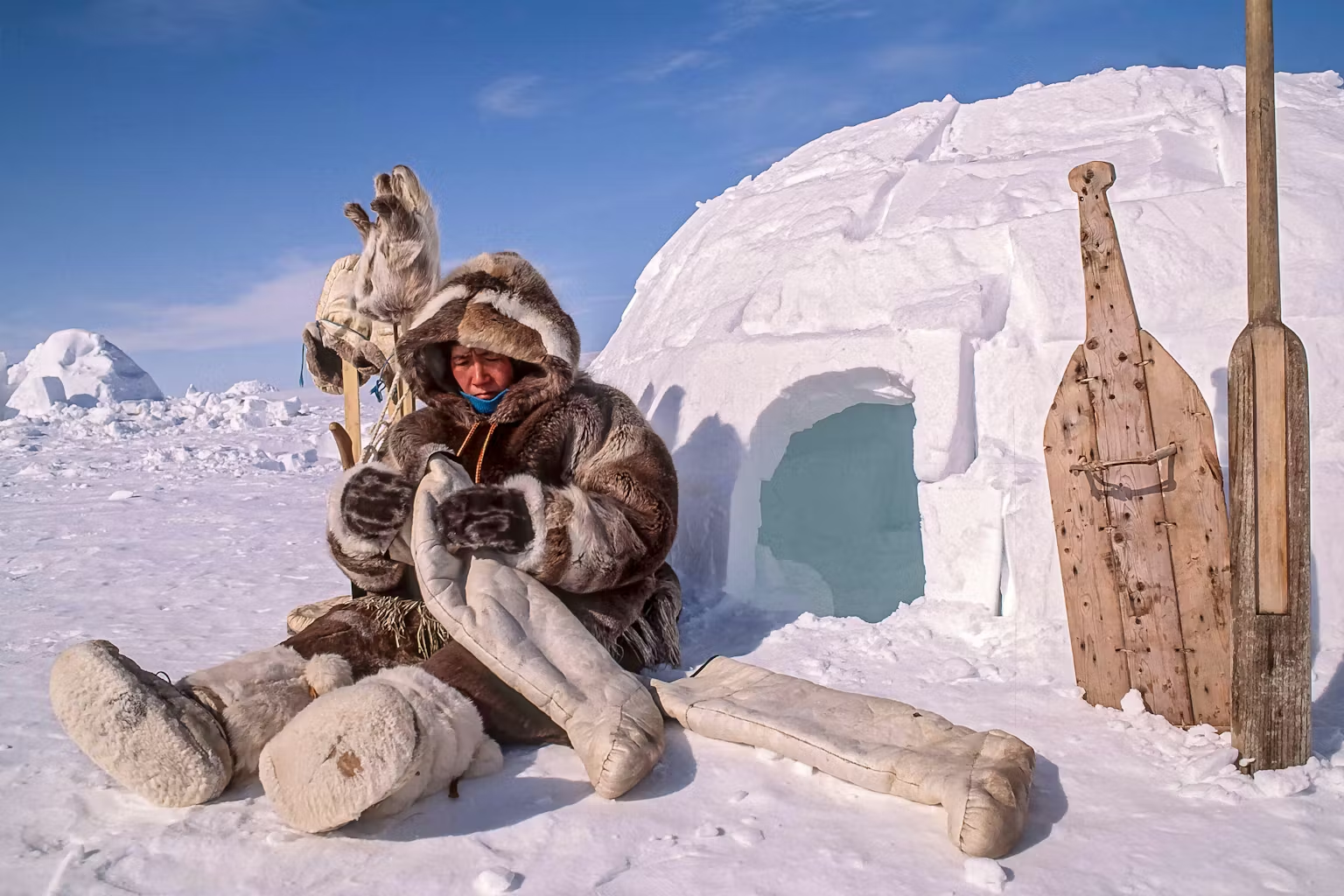
As the climate gradually became colder and large animals disappeared, moving south became increasingly difficult. Southern lands were already densely populated, leaving little space for newcomers. Over time, people adapted to their surroundings instead of migrating. This process led to the formation of many indigenous Arctic communities, such as the Chukchi, Inuit, and other northern peoples, who developed lifestyles perfectly suited to extreme conditions.
Later migrations to the Far North were often driven by pressure from more powerful groups or armed conflicts in the south. Entire communities were forced to relocate to less populated northern territories. Similar settlement patterns occurred in both Eurasia and North America, where different groups adapted independently to cold environments and developed distinct cultures.
People living in polar regions also developed physical traits that helped them survive. Features such as broader facial structures and increased body fat improved heat retention and protection from the cold. These adaptations allowed them to endure freezing temperatures, sleep outdoors, and function in environments that would seem unlivable to outsiders.
Despite the severity of the climate, life in the Far North and Far South offered certain advantages. These regions were relatively isolated, which reduced the spread of infectious diseases and limited military conflicts. As a result, for many communities, these extreme lands became not a barrier to life, but a place of safety, stability, and long-term survival.