
A Guide to Tenerife
Tenerife is the largest island of the Canary archipelago. Formally Spanish, it feels almost African, located just three hundred kilometers from Western Sahara. The climate is mild and stable year-round, without extreme heat or heavy rain, which is why the island is called the “Island of Eternal Spring.” In summer, temperatures reach around twenty seven to thirty degrees Celsius, while in winter they stay near twenty to twenty one degrees. The sea remains warm from late May to late September. Visitors can arrive via two airports, North and South, usually with connecting flights. Around the island, transportation is convenient via green buses, the tram between Santa Cruz and La Laguna, ferries to other Canary Islands, taxis, or rented cars.
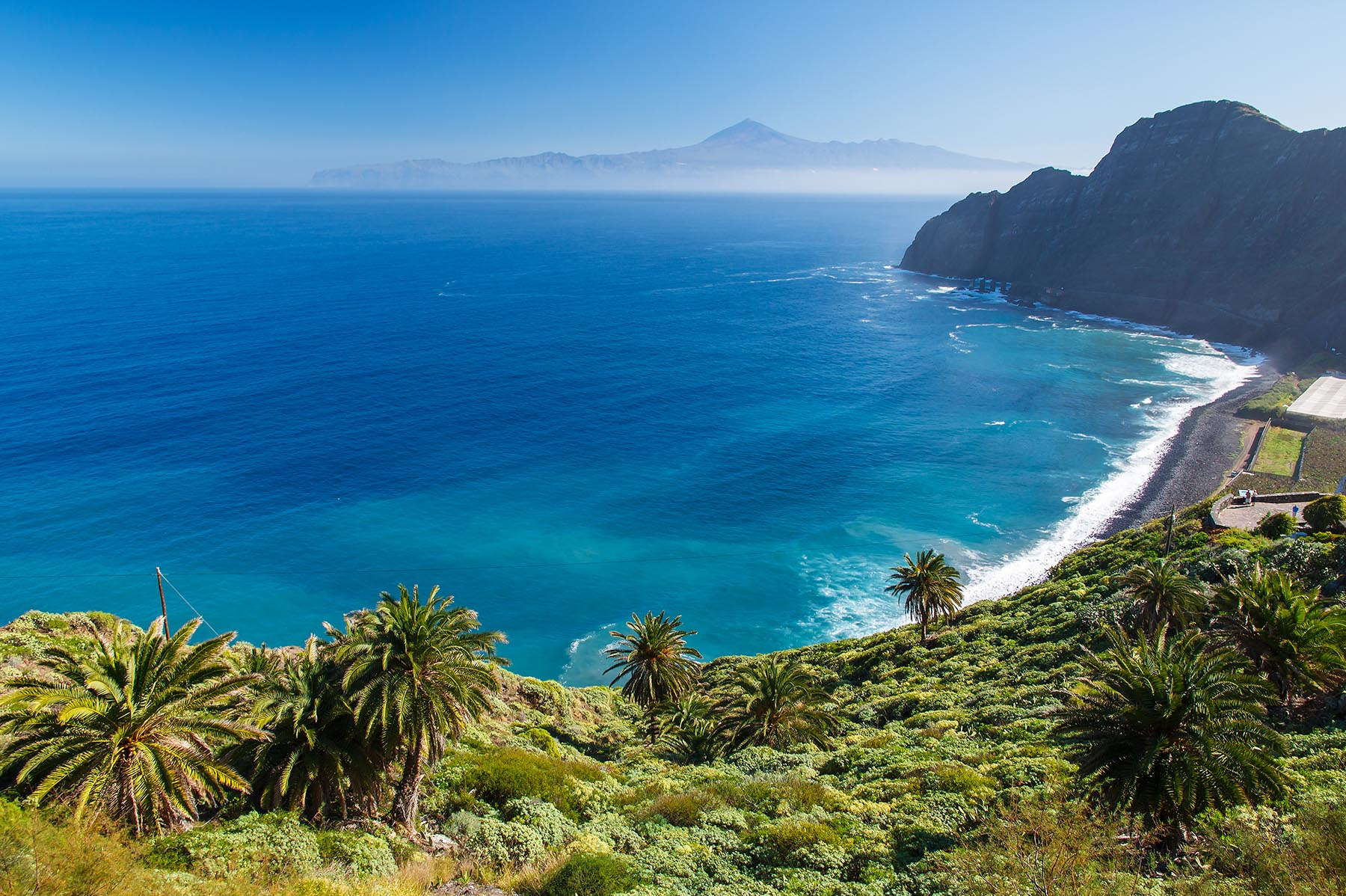
The northern part of Tenerife is greener and more humid. It features black volcanic beaches and strong waves, ideal for nature lovers and walkers. Santa Cruz de Tenerife combines beaches, shopping, a historic center, and a winter carnival. Puerto de la Cruz retains the atmosphere of an old Canarian town, with a nearby botanical garden and a complex of sea pools. The southern part of the island is drier and warmer, offering a long swimming season and lighter sandy beaches. Areas like Las Americas and Los Cristianos are perfect for those seeking promenades, cafés, nightlife, and water parks. The Costa Adeje coast near El Duque is more upscale, known for clear water and comfortable ocean access. Fans of wild landscapes may prefer the black beach of Benijo or the windy El Medano, popular year-round for surfing and kitesurfing.
Tenerife’s main attractions are natural. Teide National Park, with the volcano of the same name, makes visitors feel as if they are on another planet. Canary pines grow here, lava fields stretch across the landscape, and views resemble the surface of Mars. Visitors can reach the summit by cable car and then hike along a trail with special permission. In the Teno Mountains, ancient laurel forests remain, along with viewpoints offering vistas of Teide and the ocean. The Masca Gorge houses a small mountain village, reachable via a steep serpentine road. From there, you can hike down to the sea and continue by boat to the cliffs of Los Gigantes. In Icod de los Vinos grows the famous dragon tree, one of Tenerife’s oldest symbols.
Popular souvenirs include mojo sauces, honey from local plants, cactus jam, tropical fruits, and jewelry featuring pearls or olives. Black volcanic sand, stones from nature parks, pine branches, and picked plants are prohibited from export and are confiscated at the airport. Tenerife is suitable both for beach relaxation and mountain or nature exploration. The best way to experience the island is by alternating walks in natural areas with swimming and peaceful evening strolls in coastal towns.