How Fighters from Dagestan Conquered the Global MMA Stage
In recent years, fighters from Dagestan have literally stormed the world of mixed martial arts. The American organization UFC — the largest MMA platform — suddenly discovered a new region producing waves of talent. Caucasian athletes quickly attracted attention not only for their results but also for their character, presence, and a unique strength seemingly forged in their native mountains.
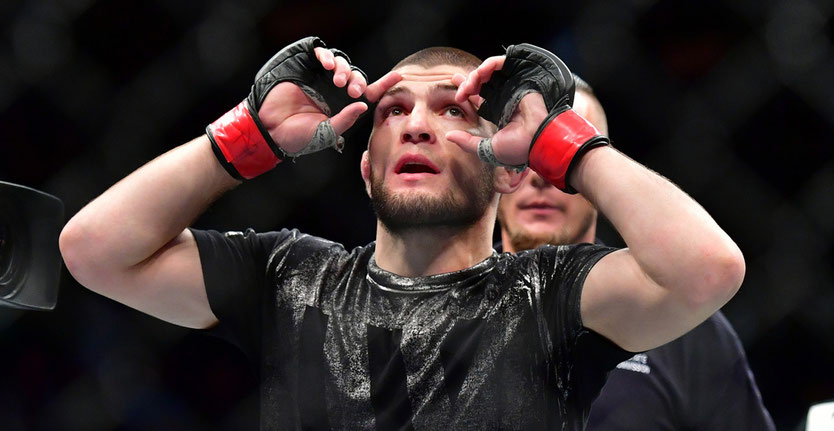
Khabib Nurmagomedov is the most prominent representative of this movement, a contender for the UFC lightweight title. He captures public interest not only through victories but also through his striking persona: he enters fights wearing a massive mountain papakha and shares stories of training with a bear cub as a child. Although he often tells journalists he is tired of questions about that video, it was precisely that clip that made many people take notice of Dagestan — a place where boys practice moves not on bags but on real bears.
By the time he joined the UFC, Khabib already had years of grueling training, titles in combat sambo and hand-to-hand fighting, and dozens of matches in various disciplines. Yet to enter the UFC, all it took was a manager’s application — the promotion had been watching him for some time. Since his debut, Khabib has won every fight, but he also became famous for creating intrigue around himself. He quickly understood that MMA is not just a sport but a show, and to be noticed, one must surprise the audience.
This gave rise to his signature image. The papakha became a symbol of Dagestan, which he consciously brought to the global stage. Then came the famous T-shirt declaring, “If sambo were easy, it would be called jiu-jitsu.” This caused a stir, since Brazilian jiu-jitsu is almost sacred in UFC, and no one had dared challenge it before. Khabib not only provoked but also defeated several top Brazilian fighters.
Social media added to his reach. Even before UFC, he engaged actively on forums; now he maintains a full online presence, posting training videos, photos of Dagestan, commenting on news, and sharing everyday moments. His nickname, The Eagle, reflects the national symbol of his homeland. Branded clothing featuring the eagle is now sold worldwide, managed by his friends known as Team Khabib.
All these elements created his recognizability. In the UFC, few fighters have built their image so quickly, except perhaps Conor McGregor, who also leverages national identity and provocation to stand out. McGregor embodies the ideal Irishman: red beard, bold speeches, and audacious humor. He once even said that besides the Irish, only “Chechens” love pain — referring primarily to Dagestani fighters, who became the new standard of toughness for Western audiences.
Experts believe that Dagestani fighters will soon hold leading positions in the UFC. There are many of them, highly motivated, each carrying not just technical skill but a story that makes them memorable. Even in Dagestan, hundreds of young athletes dream of entering the UFC like Khabib, Ali Bagautinov, Gasan Umalatov, and others.
Modern MMA relies not only on skill but also on personality. Fans love stories: the calm and restrained Fedor Emelianenko, the eccentric Monson with his socialist views, or the daring McGregor. Those who combine charisma with mastery always have an advantage, and Dagestani fighters have proven exceptionally adept — bringing something new and unique to the UFC that the Western audience immediately recognized.