Saint Petersburg The Path to Becoming Russia’s Cultural Capital
Today Saint Petersburg is called the cultural capital of Russia, and this status feels so familiar that few people stop to think about where it came from. Although the expression was officially used only in the late nineteen nineties, when Boris Yeltsin first said it publicly, the idea itself took root very quickly. For many, it became obvious that Petersburg is a city that lives through culture.
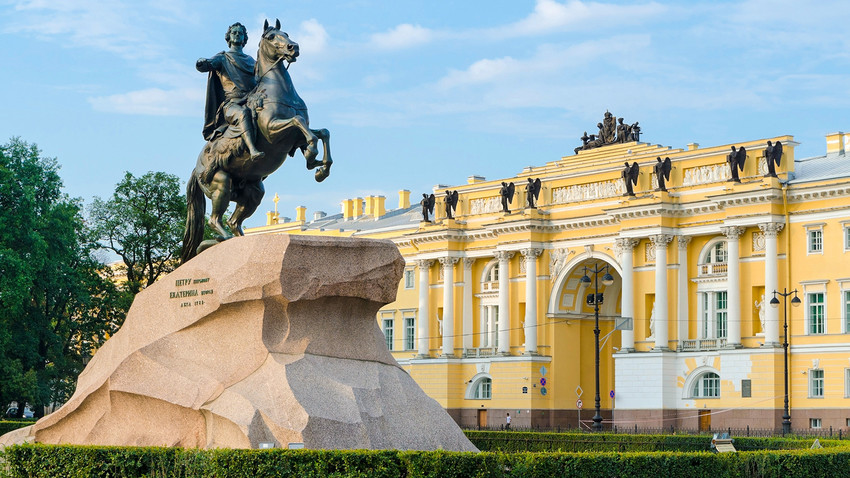
Founded by Peter the Great as a window to Europe, Saint Petersburg was conceived from the very beginning as a symbol of a new direction for Russia, more open, secular, and oriented toward Western artistic traditions. Architects from different countries created buildings here that later became part of a unified urban style. In the eighteenth and nineteenth centuries, talented writers, artists, and composers flocked to the city, everyone who wanted to be at the center of cultural life in a vast empire. As a result, the peak of Russian literature and art of that era is almost always associated with Saint Petersburg.
The twentieth century proved difficult for the city. The capital was moved to Moscow, mass repressions followed, and then came the blockade, which claimed hundreds of thousands of lives. After the war, the city took a long time to recover and, despite many achievements, lived under strict state control. Nevertheless, it was here that an intellectual community continued to exist, preserving the special atmosphere of Petersburg even in the hardest times.
Today Saint Petersburg remains the most European city in Russia in its architecture, its spirit, and its historical experience. And although it is not free from everyday problems, behind its grand facades and weathered courtyards lies a unique combination of beauty and harsh reality that residents consider part of the city’s character. In this intertwining of splendor and daily decline, the cultural myth of Petersburg is born, a myth that continues to be recognized both in Russia and beyond its borders.