How the Image of Alexander Pushkin as an Expression of the National Spirit Was Created
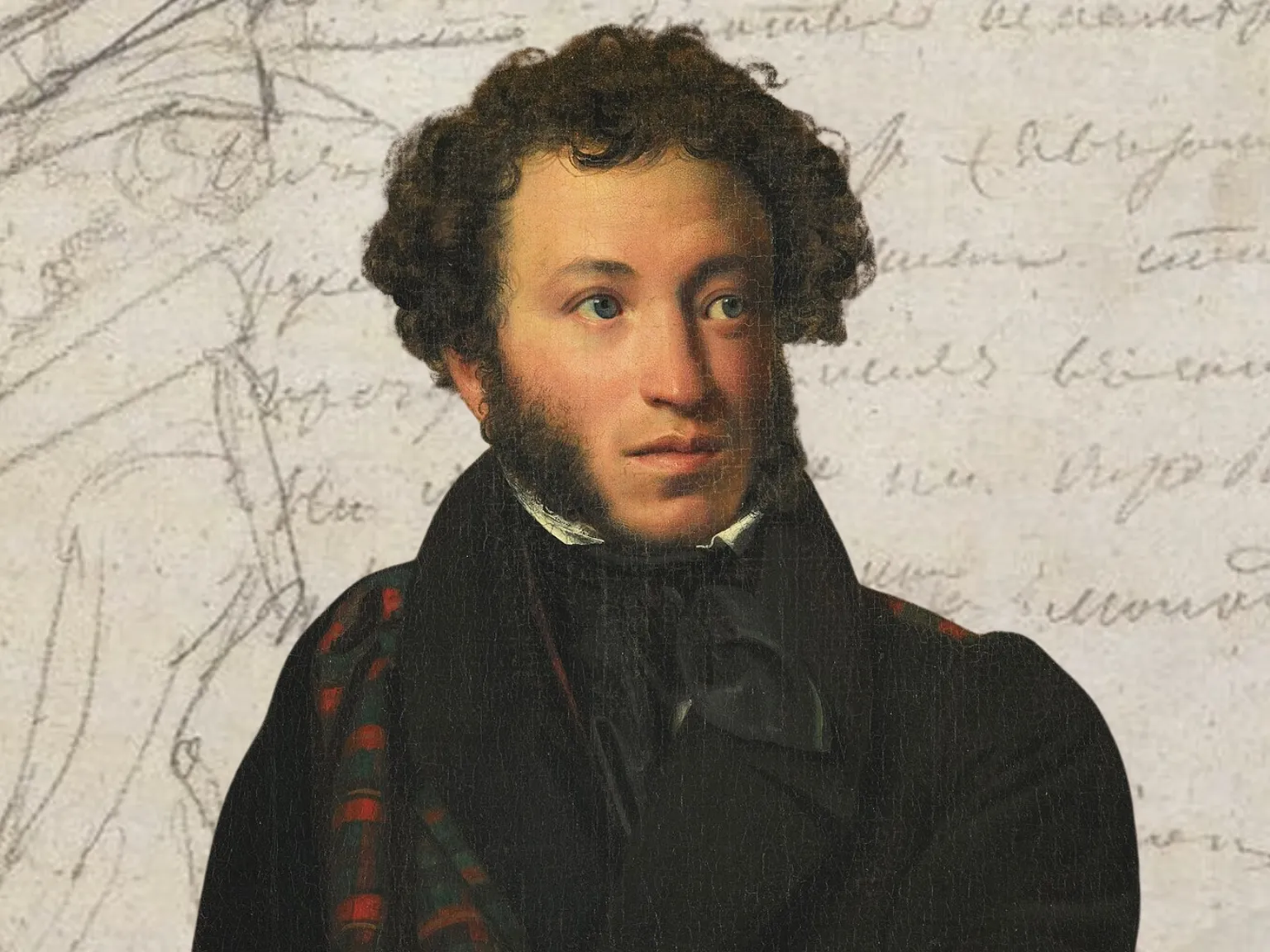
When the monument to Alexander Pushkin was unveiled in Moscow in June eighteen eighty, the celebration lasted several days and became a true triumph of Russian literature, which by that time had already entered the global cultural space. Leading thinkers addressed the public, but the central event was Dostoevsky’s speech. For him, Pushkin was not only a great poet but a prophetic figure through whom the fate of Russia could be perceived. In that era, the idea that the voice of a single poet could reflect the character of an entire nation was taken almost for granted, since literature was regarded as the spiritual foundation of the country.
Poetry did not acquire this status immediately. In the eighteenth century, writers were essentially civil servants, expected to produce ceremonial odes and translations at the court’s request. Lomonosov and Derzhavin sought to fill court poetry with the ideas of the Enlightenment, yet dependence on the monarch remained. At the turn of the century, Europe developed new ideas of genius as an inspired creator and of the people as a living historical personality with its own character. Gradually, the notion emerged that a great poet should express the spirit of their nation.
That figure for Russia became Pushkin. His emergence coincided with a rise in national self awareness after the wars with Napoleon. Older contemporaries saw in the young author the long awaited genius. Exile, banned poems, and the success of his southern works strengthened his special position. Unlike the court poets of the past, Pushkin spoke as if not on behalf of power, but on behalf of Russia itself, even if the people were not yet truly familiar with him.
Pushkin’s relationship with the monarchy was complex. Alexander the First sent him into exile, while Nicholas the First placed him under personal supervision. Yet the tension between the poet and the authorities reflected a deeper rift between the state and society. In The Bronze Horseman, Pushkin presented this conflict in an almost mythological form.
After the poet’s death, the image of Pushkin as the ideal expression of the national spirit took shape. Critics and ideologues gradually turned his biography and work into a symbol of Russian genius. Particularly influential was Dostoevsky’s interpretation, which saw in Pushkin a unique ability to understand other peoples and to embody a universal responsiveness that Dostoevsky considered the core of the Russian character. In this reading, Pushkin becomes not merely a poet, but the embodiment of Russia’s historical mission, understood as a striving to unite and comprehend the world.
Thus a myth emerged in which the real contradictions of Pushkin’s era dissolved, and the author himself became a prophet of national destiny. This myth proved so coherent and powerful that later eras were able to add almost nothing to it.