
The Illusion of Closeness: How the Digital World Is Taking Real Relationships Away
We live in a time when we can reach anyone in seconds. We see photos of their lives, know where they have been, what they eat, and what they think. It feels like we are more connected than ever. We talk more, scroll more, and are surrounded by people online. And yet loneliness keeps growing. We seem close, but in reality we are drifting further apart.
Today we can work, study, shop, and socialize without leaving home. Life looks busy and full, but inside many people feel empty. Social media has given us new ways to communicate, but it has quietly taken away something essential: the ability to truly be with another person. Real closeness requires presence, time, and emotional involvement, and these are things the digital format cannot fully provide.
Online interaction often creates an illusion of relationships. Likes replace words, but they rarely bring a sense of being seen. Text messages replace conversations, yet text cannot carry tone, pauses, or warmth, so we fill the gaps with our own assumptions and often misunderstand each other. We can know hundreds of people online and still feel deeply alone. Gradually, we lose the skill of building deep and trusting relationships, because real connection is slow and sometimes uncomfortable, while the digital world promises speed and ease.
From personal observation, communities that once brought people together offline are slowly fading. Years ago, joining social activities meant meeting others in person, sharing space, movement, and emotions. Today many young people no longer feel the urge to step outside and connect. The need for relationships has not disappeared, but it has become less conscious. This is worrying, because the need for connection is a basic psychological need, not a preference.
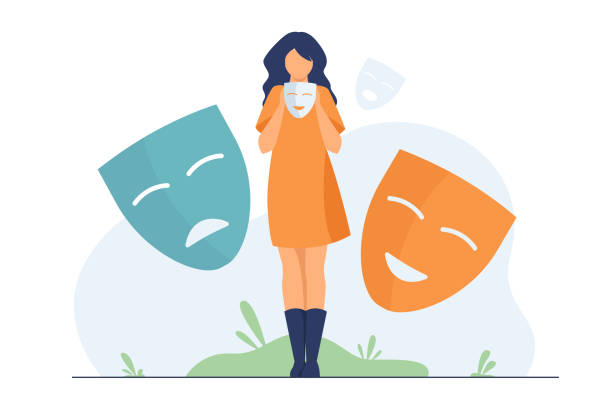
We also lose contact because we are afraid to be real. Online it is easy to show a polished version of ourselves, but real life includes vulnerability and imperfection. Many fear rejection if they are seen as they truly are. We have also grown used to instant responses, so any delay feels like abandonment and triggers anxiety. Constant availability blurs boundaries, leaving us exhausted and emotionally distant. Many people simply have little experience of healthy relationships, where they are valued rather than used, so they struggle to invest in closeness.
Digital communication will never fully replace real human presence. To bring closeness back, it helps to move from messages to voice, from voice to meetings. Quality matters more than quantity, and one honest conversation can be more meaningful than endless chats. Allowing yourself to be genuine creates trust, and shared rituals, even small ones, help relationships grow. The digital world is a useful tool, but it cannot replace living contact. Going outside, meeting people, and sharing real moments, even imperfect ones, is how we stay connected to others and to ourselves.