Hand Gestures in Conversation What They Reveal and Why They Matter
Hand gestures play a crucial role in human communication and often convey meaning even more powerfully than words themselves. When people speak their hands naturally move to support thoughts structure ideas and express emotions that may be difficult to articulate verbally. This happens because gestures are closely connected to thinking and help the brain organize information especially when ideas are complex or abstract.
From a psychological perspective gestures are not random movements but reflections of our internal state. They help express emotions such as excitement uncertainty confidence or tension often without conscious control. This is why a person may say they are calm while their hands reveal nervousness through repetitive or restless movements. Gestures also help speakers stay engaged with their own speech making it easier to think while talking.
Culture strongly influences how much and how openly people gesture. In Mediterranean and Latin cultures expressive hand movements are a normal part of conversation and are seen as a sign of involvement and sincerity. In more reserved northern cultures gestures are usually smaller and more controlled yet they still play an important role in communication. Even when restrained gestures support meaning and help listeners better understand the speaker.
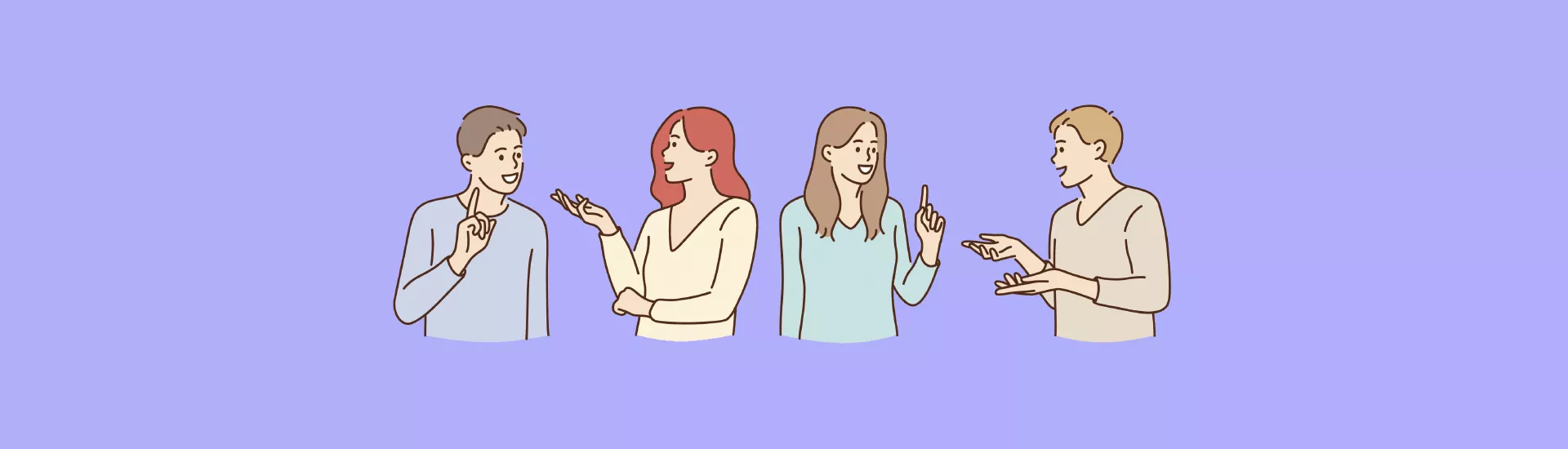
There are different types of gestures that serve different functions. Some gestures visually illustrate what is being said such as showing size direction or movement. Others are symbolic and can replace words entirely like a thumbs up or an open palm. There are also unconscious gestures that reveal emotions such as touching the face crossing arms or fidgeting which often signal stress discomfort or insecurity.
In social and professional settings gestures can either strengthen or weaken communication. Natural balanced gestures help build trust create openness and make speech more engaging. On the other hand excessive chaotic or repetitive movements can distract the audience and reduce the clarity of the message. Effective communication depends not on how many gestures are used but on how well they align with speech.
Gender differences in gesticulation are often shaped by social expectations rather than biology. Women tend to use gestures to create emotional connection empathy and involvement while men more often gesture to express confidence authority or control. These patterns are learned through socialization and vary widely between individuals and cultures.
In public speaking gestures become a powerful tool when used intentionally. Open palms often signal honesty controlled movements convey confidence and pauses between gestures help structure speech. Effective speakers allow gestures to support their words rather than compete with them. Learning to gesture well does not mean memorizing movements but becoming aware of the body staying relaxed and letting gestures naturally enhance meaning.
When words and body language work together communication becomes clearer more persuasive and more human. Gestures remind us that communication is not only about what we say but also about how we physically express our thoughts and emotions.