
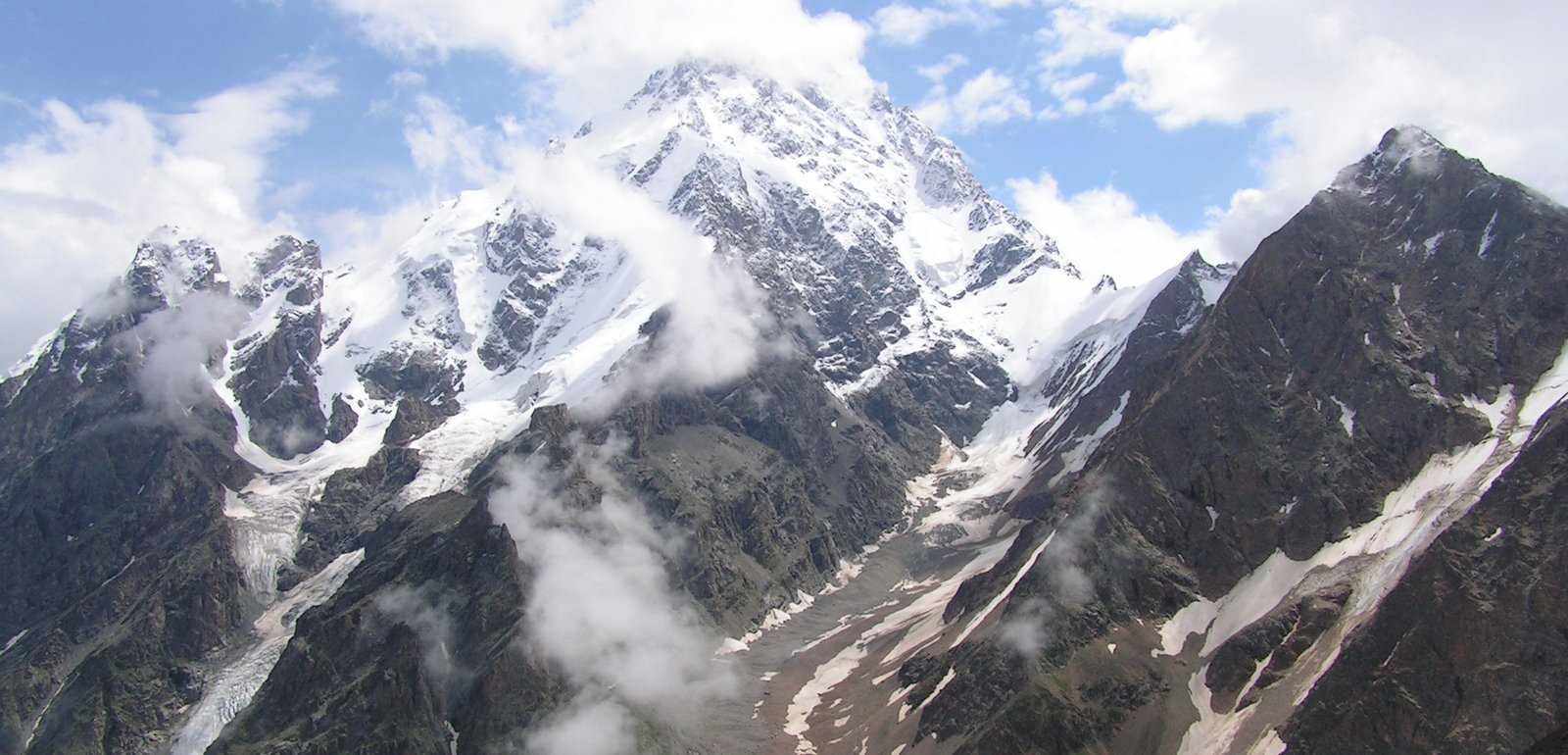
How Altitude Affects the Body and Why It’s Important to Ascend Slowly
When climbing mountains, the biggest challenge is not the trail or a heavy backpack, but the lack of oxygen. Altitude changes everything: the air becomes thinner, hemoglobin captures oxygen less efficiently, and the body starts working under stress. This is why acclimatization is not a formality but a real way to prevent altitude sickness and make the climb safe.
Without preparation, many people experience shortness of breath, pressure headaches, nausea, and complete fatigue. Some develop hallucinations, sudden mood swings, or nosebleeds. The most dangerous consequences are pulmonary or cerebral edema. Reaction to altitude does not depend on fitness level. Some people handle three thousand five hundred meters easily, while others feel unwell already at two thousand five hundred meters.
To allow the body to adapt, altitude should be gained gradually. The main principle is to climb higher during the day but sleep lower. Short trips to higher points followed by a return to lower camps help the body adjust step by step. This “staircase” approach works best on popular trekking routes in Nepal: each day the altitude increases slightly, then there is a radial ascent of a few hundred meters and a night spent at a lower elevation.
The same principle applies to summit climbs using high altitude camps. Climbers ascend to upper camps, perform tasks there, and then descend to allow the body to recover. This is especially important because above approximately five thousand five hundred meters, the body can no longer fully recover.
The main idea is not to rush. It is better to reach four to five thousand meters over two days than to attempt it in one, risking altitude sickness. Listen carefully to your body and remember that tolerance to altitude varies. Some may feel unwell already at two thousand two hundred or two thousand five hundred meters, which is a natural individual difference, not a weakness.