How Children’s Eye Color Changes
Predicting a baby’s eye color before birth is almost impossible, and even after birth, many surprises remain. For most children, the iris shade changes gradually and sometimes several times. This is related to melanin, the pigment that determines the color of eyes, skin, and hair. Melanin begins to be produced actively in the iris later than in other areas, often only after birth. For this reason, newborns with light skin usually have bluish-gray eyes, which darken over time. Children with dark hair and tanned skin already have more melanin at birth, so their brown eyes typically retain their original shade.
The speed of color change is individual for each child. In some, eyes darken gradually and evenly, while in others darker patches appear, which is a normal variation. Sometimes it may seem that the shade has changed, but the cause can be the baby’s fatigue, tears, or lighting conditions. Such fluctuations pose no health risk.
Heredity remains the main factor. A child inherits not only the eye shades of their parents but also traits from ancestors, including great-grandparents. Different populations have characteristic trends. Europeans more often have light eyes, while dark shades are common among people from Eastern and African regions.
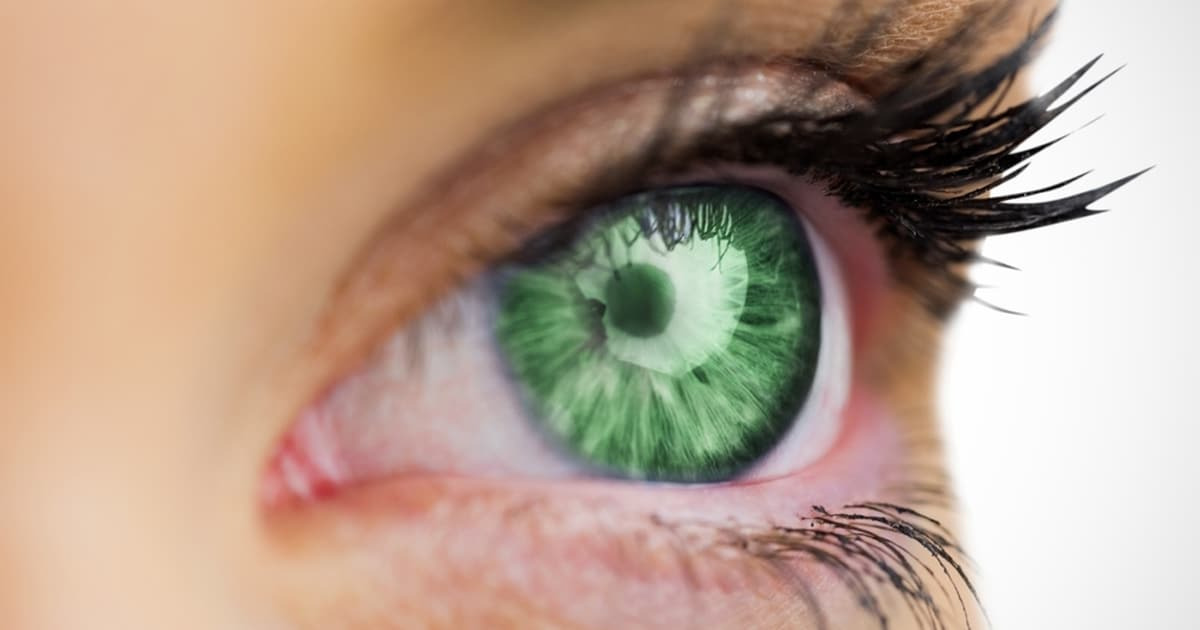
Final eye color is usually established between one and three years of age. Gray eyes stabilize fastest, around the first year. Blue and deep blue shades are set closer to one and a half years. Dark-eyed children usually reach their permanent color by three years. Green eyes are considered the most variable and can develop up to five years old. In some light-haired children, the final color appears closer to school age.
There are rare exceptions, such as different eye colors, absence of melanin in albinos, or congenital absence of the iris. These cases are developmental features and are present from birth.