Why We Snore and How to Deal with It
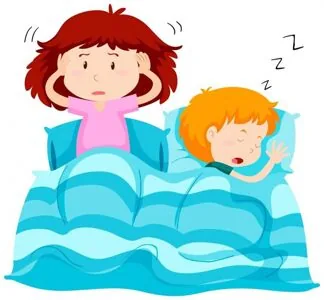
At night, the body recovers from stress and daily strain, making quality sleep especially important. Snoring, however, often interferes with proper rest. It disrupts sleep not only for the person snoring but also for anyone sleeping nearby. In the morning, it can leave fatigue and grogginess, and in some cases, snoring is not just a loud noise but a sign of a serious disorder.
Snoring occurs because, during sleep, muscles relax, airways narrow, and the airflow causes tissues to vibrate. Light snoring is usually harmless. But if the sound is loud and occurs regularly, it may indicate that the airway is almost blocked. In such cases, brief pauses in breathing, called apnea, can occur. This condition poses real health risks, as a lack of oxygen affects the brain, heart, memory, and overall well being.
The causes of snoring are varied. Sometimes they relate to anatomical features, such as reduced muscle tone in the soft palate or the base of the tongue. Other times, specific conditions contribute to snoring: excess weight, enlarged tonsils or adenoids, a deviated septum, nasal polyps, chronic rhinitis, or injuries. In adults, alcohol and smoking worsen snoring. Alcohol further relaxes muscles, while smoking causes swelling of the nasal mucosa. In children, adenoids, inflammation, or excess weight are more often the culprits.
Snoring can be treated, but first it is important to identify the cause. Lifestyle changes sometimes help: losing weight, avoiding alcohol and smoking, and maintaining a regular sleep schedule. In other cases, consultation with an ENT specialist, dentist, or endocrinologist is necessary.
Treatment methods vary. Surgical options aim to correct soft tissues or remove airway obstructions. In severe cases, more complex operations are performed to restore normal breathing and reduce the risk of apnea.
There are also gentler solutions. Special mouthguards can hold the lower jaw in place to prevent the tongue from collapsing, nasal strips can widen the airways, and anti inflammatory treatments can reduce swelling.
If snoring is accompanied by pauses in breathing, CPAP or BiPAP devices may be used. These machines deliver air through a mask at a set pressure to keep airways open. CPAP provides constant pressure, while BiPAP uses different pressures for inhalation and exhalation, helping the person breathe more freely.