
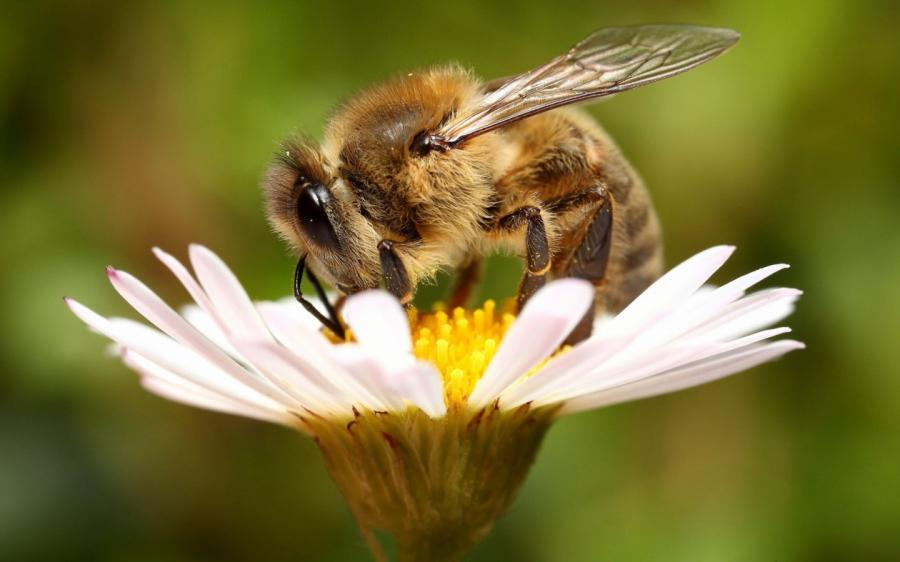
Stinging Insects How to Avoid Dangerous Bites
Late summer is prime time for stinging insects. Sweet berries, ripe fruit, and the scent of jam attract them most strongly. Bees, wasps, bumblebees, and hornets rarely sting without reason, but each group does so for different reasons and with varying levels of danger.
Bees almost never show aggression. They see humans as a threat only when accidentally pressed or when someone approaches their hive too closely. A bee can sting only once, as the stinger remains in the skin, and the bee itself dies.
Wasps are different. They are hunters and behave much more sharply. Any sudden movement or even approaching their nest can provoke an attack. A wasp sting is not only very painful; wasps can sting multiple times and also bite with their strong jaws. Their venom is particularly dangerous for people with metabolic disorders or diabetes.
Bumblebees are similar to bees but can sting several times because their stinger is smooth. Males are usually harmless, while females attack only to defend the nest. They may react to strong scents, especially alcohol and intense perfumes.
Hornets are the largest of these insects and have especially potent venom. When attacking, they can inject enough toxic substance to cause skin burns and severe pain. The danger increases because a hornet can sting repeatedly, and its feeding habits raise the risk of infection.
Most stinging insects protect their nests. Approaching their home is the most common trigger for aggression. For most people, a single sting causes only swelling and redness, but for those with allergies, it can be much more dangerous. Stings to the throat area and multiple stings are particularly hazardous.
If stung, it is important to remove the stinger as quickly as possible without squeezing the venom sac. Then cool the area and treat it with an antiseptic. People prone to allergies should immediately take an antihistamine. If a severe reaction occurs, breathing is difficult, or there are multiple stings, urgent medical attention is required.
To reduce the risk of encountering aggressive insects, avoid leaving sweets on the table, wearing bright clothing, drinking sugary drinks outdoors, using strong perfumes, and walking barefoot in meadows.
It is especially important never to try to destroy a wasp or hornet nest yourself, as such attempts almost always result in a mass attack.