Remakes as a Driver of Nostalgia and Business in the Film Industry
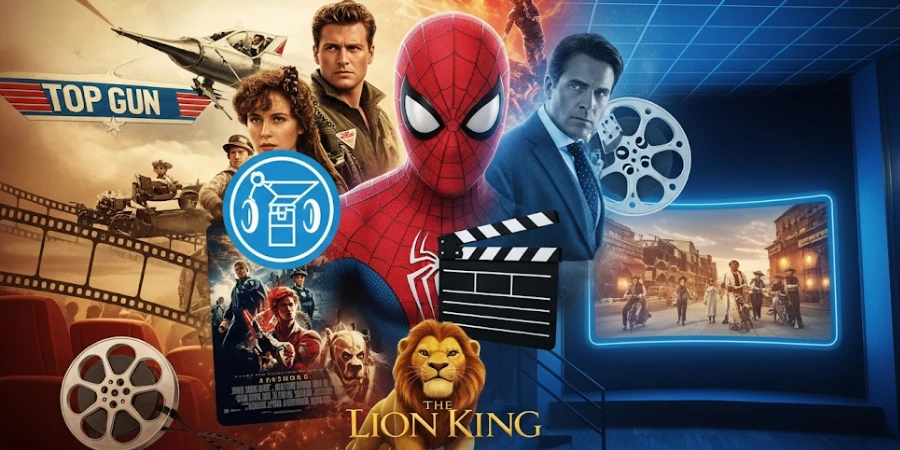
It seems that cinema can no longer let go of its past hits. Every year, more and more remakes and new versions of old projects are released. In 2025 alone there were already more than a dozen, ranging from Superman to Lilo and Stitch. In television, iconic series from the two thousands are also making a comeback. This wave has swept across all genres, and major studios are actively taking advantage of it, because it is profitable. Proven stories almost always pay off. Disney, for example, has earned around seven billion dollars from its new versions since 2010.
However, the reasons go far beyond financial gain. Nostalgia has become a powerful cultural tool. Audiences want to return to the stories of their childhood, while new generations want to discover legendary plots in a modern form. Competition between streaming platforms also plays a role, as they constantly need high profile premieres. Technology matters as well, since today it is possible to create spectacles that were simply impossible in the eighties and nineties.
The problem is that many new versions turn out to be too literal or empty. They repeat the plot but lose the emotional depth of the original. Some high profile projects, such as the new Snow White or numerous attempts to continue cult TV series, fail precisely for this reason. In some cases there is a lack of sincerity, in others an absence of a thoughtful perspective on the story, and in others an overload of modern themes that harms the narrative itself.
Nevertheless, there are successful examples as well. Mad Max Fury Road, The Departed, Scarface, and Ocean’s Eleven proved that a new version can become an independent and powerful work. Spin offs such as Better Call Saul or House of the Dragon have become almost as famous as their original sources.
Thus, new versions of old stories have become a natural part of the film industry. Sometimes they exhaust the audience, sometimes they inspire, but they always reflect the spirit of the time. They represent a desire to invest safely, an interest in nostalgia, and an attempt to find new forms for familiar narratives. One can only hope that future projects, from Shrek Five to new television stories, will become not just copies, but truly meaningful works.