
Why Desalinating Seawater Will Not Solve the Global Water Crisis
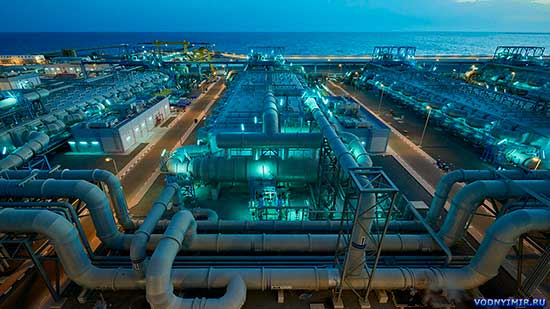
At first glance desalination seems like a perfect solution since oceans cover most of the planet while only a tiny share of Earth’s water is fresh and usable, but in reality this technology cannot save humanity from water scarcity. Modern desalination relies mainly on thermal distillation and reverse osmosis, both of which demand enormous amounts of energy, expensive infrastructure, and constant maintenance. As a result desalinated water is far more costly than water taken from rivers, lakes, or underground sources, making it inaccessible for many regions and unsuitable for large scale agriculture. The environmental impact is also serious because desalination plants disrupt marine ecosystems by killing small organisms during intake and releasing highly concentrated salt brine back into the ocean, which damages local biodiversity. Even household reverse osmosis systems waste large volumes of water, turning a supposed solution into another source of inefficiency. Desalination can be lifesaving in deserts and during extreme droughts, but treating the ocean as an endless tap ignores its ecological limits and economic reality. In the long term the real answer lies not in forcing technology to replace nature, but in protecting freshwater ecosystems, reducing waste, improving infrastructure, and changing how societies value and use water.