
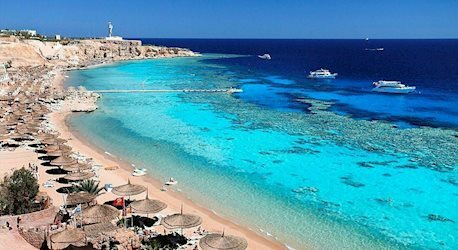
Is Tourism in Egypt Really Ending Because of Shark Incidents
Shark incidents in Egypt’s Red Sea resorts have sparked alarming headlines and viral fear, but they do not signal the end of tourism in the country. What they reveal instead is how fragile trust in travel safety has become in the digital age. A limited number of tragic but rare attacks, such as the fatal incident near Hurghada in June 2023 and the deadly case near Marsa Alam in late 2024, received massive global attention, far outweighing their statistical likelihood. When dramatic footage and emotional narratives spread online, they shape perception more powerfully than official data showing that shark attacks remain extremely uncommon in the Red Sea. The real risk for Egypt is not the presence of sharks, which are a natural part of the marine ecosystem, but inconsistent safety management, weak enforcement of swimming zones, and poor communication after incidents. Temporary beach closures and investigations show that authorities react, yet repeated crises suggest the need for long term systemic changes rather than short term damage control. Tourism in Egypt has survived wars, pandemics, and political instability, and it is unlikely to collapse because of sharks alone. However, if environmental protection, tourist education, and transparent safety policies are not strengthened, fear may gradually redirect travelers to destinations perceived as safer. The future of Egyptian tourism therefore depends not on eliminating sharks, which is impossible, but on restoring confidence by proving that human activity and marine life can coexist responsibly.