Impostor Syndrome
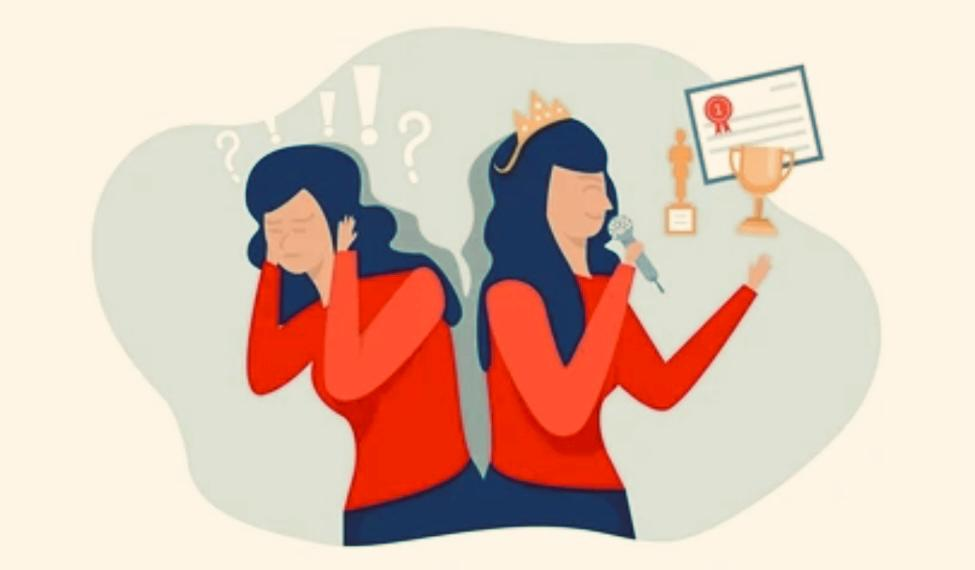
Impostor syndrome is a psychological state in which a person does not believe in their own achievements and feels that they have reached their position by accident. Even when they have degrees, professional success, and recognition from colleagues, there is still a persistent fear of being “exposed” one day. This phenomenon was first described by psychologists Pauline Clance and Suzanne Imes and was later studied by many other researchers.
How to recognize impostor syndrome
A person constantly compares themselves to others and feels a need to be better than everyone else. They expect the impossible from themselves, believing they must perform perfectly even when they are exhausted or unwell. Any mistake feels like a catastrophe. Praise is dismissed, success is attributed to luck rather than personal effort, and achievements are minimized. There is a constant feeling of having “deceived” others, as if a real professional will soon appear and reveal their inadequacy. Such people often avoid new challenges because they fear failure and shame.
Where it comes from
In most cases, the roots lie in childhood. When a child is alternately overpraised and harshly criticized, given excessive responsibility, or held to unrealistic standards, deep inner insecurity can develop. The child grows up believing they must be perfect, while internally feeling weak and “not real.”
Why it is harmful
Impostor syndrome forces a person to constantly anticipate others’ expectations and try to meet them. A great deal of energy is spent not on growth, but on maintaining the appearance of success. Over time, this leads to emotional burnout, loss of motivation, and an inability to recognize one’s own progress.
How to cope with it
It is helpful to stop idealizing others and to compare yourself only with your past self. Learning to accept imperfections and understanding that mistakes do not define or destroy your identity is essential. Psychotherapy can also help uncover and work through the beliefs that fuel the feeling of “not being good enough.”