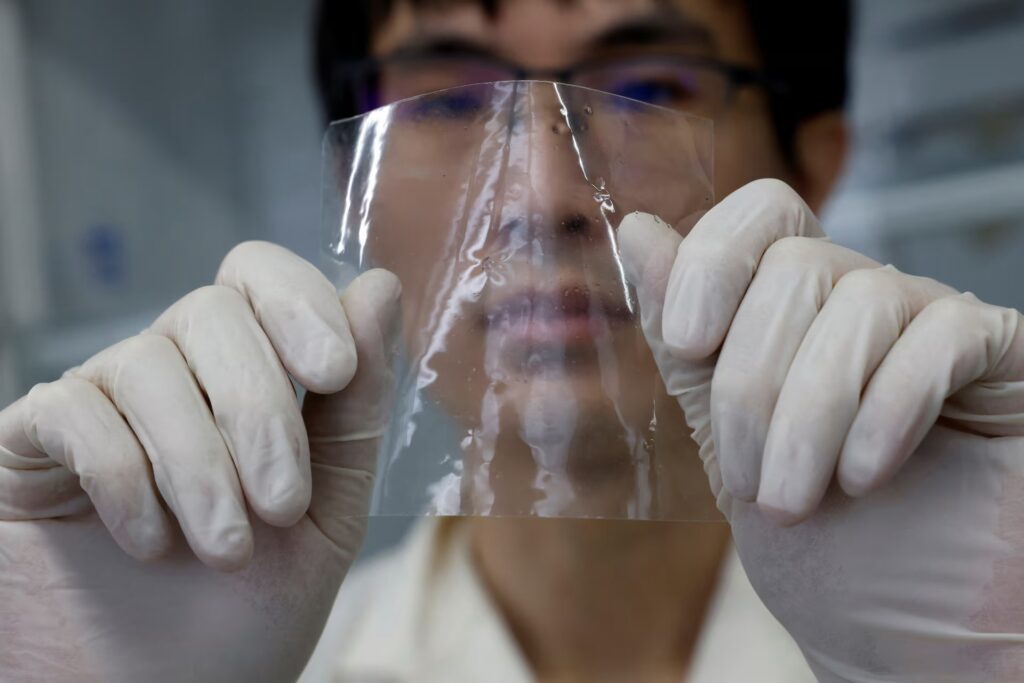
Japanese Scientists Created a Plastic Piece that Dissolves in Ocean Water Scientists in Japan have developed a new kind of plastic that dissolves in seawater within hours – a breakthrough that could help reduce the massive problem of plastic pollution in oceans. At the RIKEN Center for Emergent Matter Science and the University of Tokyo, researchers tested a small piece of this new plastic in saltwater. After stirring it for about an hour, the plastic completely vanished without leaving any visible residue. Unlike many biodegradable plastics known before, this material disappears very fast and leaves no microplastics behind. What Makes It Special The new plastic is as strong as petroleum-based plastics, which means it can serve many of the same purposes, like in packaging, without sacrificing durability. What’s even more interesting is how it breaks down: when exposed to salt (like in seawater), it dissolves into its original chemical components. These components are then consumed by bacteria in water bodies. As a result, there is no creation of microplastic particles that might harm marine life. On land, where salt content is much lower, a 5 centimetre piece of this plastic takes over 200 hours to disintegrate. The scientists also emphasized that the plastic is non-toxic, does not catch fire easily, and does not emit carbon dioxide as it dissolves. Challenges and Possible Uses Although this is a promising discovery, it is still in the research stage. The team has not yet announced any plans for mass production or commercial use. One of their current goals is to improve the coating methods, so that the plastic can be used like regular plastic (as for food packaging or disposable items) while retaining its fast dissolving property in ocean conditions. Despite these challenges, the invention has attracted attention from businesses, especially those in packaging sectors, due to its potential to drastically reduce the environmental damage caused by plastic waste. Why It Matters Ocean plastic pollution is set to grow substantially in the next decades. Without new solutions, large amounts of plastic waste will continue to harm marine ecosystems and wildlife. Innovations like this dissolvable plastic could help slow down or lessen those effects. For students, this is an example of how science and engineering can make a real difference for the planet and hopefully inspire more ideas in sustainable materials.
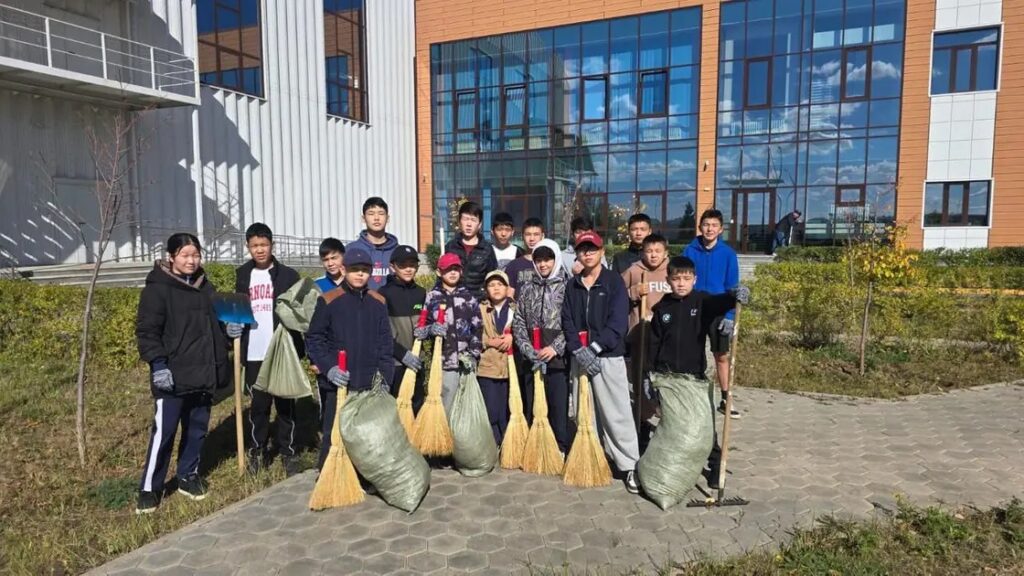
2. Astana Begins Eco-Month with Large-Scale City Cleanup On September 13, 2025, the capital city of Kazakhstan, Astana, launched the traditional ecological month “Taza Kazakhstan: Taza Astana” (“Clean Kazakhstan: Clean Astana”) with a major city cleanup event. The action is part of a larger campaign called “Taza Kazakhstan. Astana as an example of cleanliness and order.” Over 25,000 residents took part in the first day of the effort. Participants included workers’ collectives, government employees, business representatives, athletes, cultural figures, as well as public figures and community representatives. The cleanup produced tangible results: more than 86 tons of garbage were collected, and over 1,000 new green plants were planted. Activities during the day covered a wide range: cleaning streets, sidewalks, and inner-block areas; washing stormwater drainage systems; improving courtyards; repairing paving stones, curbs, and small architectural structures in public spaces. Also included were seasonal agro-technical tasks, tidying areas next to trade facilities, eliminating unlawfully dumped waste, and preparing for overall beautification. The aim of the eco-action is to draw public attention to the importance of keeping city streets clean and to promote ecological awareness among citizens. The event continues: the eco-month runs from September 13 through October 11, during which time all interested city residents and organizations are encouraged to contribute to cleaning and beautifying streets, yards, and public spaces. This kind of initiative shows how a lot of people working together can make an immediate impact on their environment. Collecting dozens of tons of litter, planting greenery, repairing public spaces – all these help improve city life, reduce pollution, and build a sense of pride in the urban environment. For students, it’s also a reminder that caring for your city can start with small actions: picking up trash, planting a tree, helping clean up after your neighborhood.
3. A Giant Panda Birthday Party Delights Visitors in Washington, D.C. This September 12th, the Smithsonian’s National Zoo in Washington, D.C., threw an unforgettable birthday celebration for one of its most beloved residents: a giant panda named Qing Bao, who just turned four years old. The event drew crowds of visitors, many of them families with children, who came to witness the special day. The zookeepers ensured that Qing Bao’s party was as festive and enriching as possible. The panda was treated to a specially prepared “cake” shaped like the number four, made not from sugar, but from her favorite fruits and vegetables. To keep her entertained, she also received enrichment gifts such as colorful balls and large boxes filled with bamboo and sweet potatoes. These activities are designed not only for fun but also to encourage natural behaviors and keep the panda active and healthy. Guests at the zoo were delighted to see Qing Bao’s reactions. Children cheered as she curiously explored the presents and munched happily on the fruit decorations. Many took photos and videos to remember the cheerful scene. After all the excitement, Qing Bao decided to climb into her favorite tree for a nap, providing one last adorable moment for the visitors. As she curled up on the branches, many remarked that it was the sweetest ending to a perfect birthday party. Events like this highlight the close bond between humans and animals and raise awareness about the importance of conservation. Giant pandas, once considered endangered, are now listed as “vulnerable,” but continued efforts are needed to protect their habitats. Celebrating milestones like Qing Bao’s birthday reminds us of the progress being made and the joy these animals bring to people around the world.