Digital detox
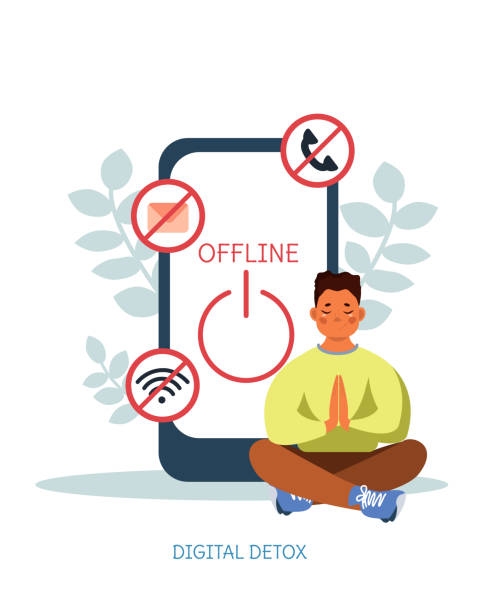
Digital detox – a deliberate period when individuals reduce or stop using electronic devices like smartphones or social media – has become popular as a way to improve well-being. However, its effectiveness varies across different aspects, making it a subject for critical discussion.
Benefits of digital detox:
Research shows that digital detox can lead to several positive outcomes. Many people experience reduced symptoms of depression, better sleep quality, improved self-regulation, and lower stress and anxiety levels after taking a break from digital devices. It also encourages more real-world interactions and a greater sense of mindfulness and presence in daily life. Cognitive benefits include improved attention, quicker reaction times, and better focus due to the reduction in digital distractions. Studies indicate that even short-term detoxes can result in lasting improvements in mental health and digital usage habits.

Limitations and challenges:
Despite these benefits, digital detox is not universally effective in all areas. Some evidence suggests that effects on overall mental well-being, life satisfaction, and stress might be neutral or not statistically significant in certain contexts. Individuals may initially feel isolated or lonely during detox, which can be challenging psychologically. There is also the problem that some replace one form of screen time with another, limiting the detox’s overall impact. Additionally, success often depends on individual differences, such as the initial level of depressive symptoms, personal motivation, and the ability to maintain changes in the long-term.
Practical Considerations:
The effectiveness of a digital detox often depends on how well it is planned and personalized. Recommendations include setting realistic limits, managing notifications, and developing sustainable strategies for digital consumption post-detox. Some people may find an unplanned detox (e.g., due to lost devices or vacations without internet) helpful but not fully sufficient for sustained behavioral change. Hence, a structured approach with clear goals and follow-up is advisable to maximize benefits.
Conclusion:While digital detox can be helpful in reducing depressive symptoms, improving sleep, and enhancing focus and mindfulness, it is not a one-size-fits-all solution. Its benefits may not equally affect all aspects of mental health and life satisfaction, and it can sometimes introduce feelings of isolation. Long-term effectiveness requires personalized strategies and commitment. Thus, digital detox should be viewed as one of many tools available for managing digital consumption and mental well-being rather than a universally effective remedy.