China Temporarily Reduces Tariffs on American Goods
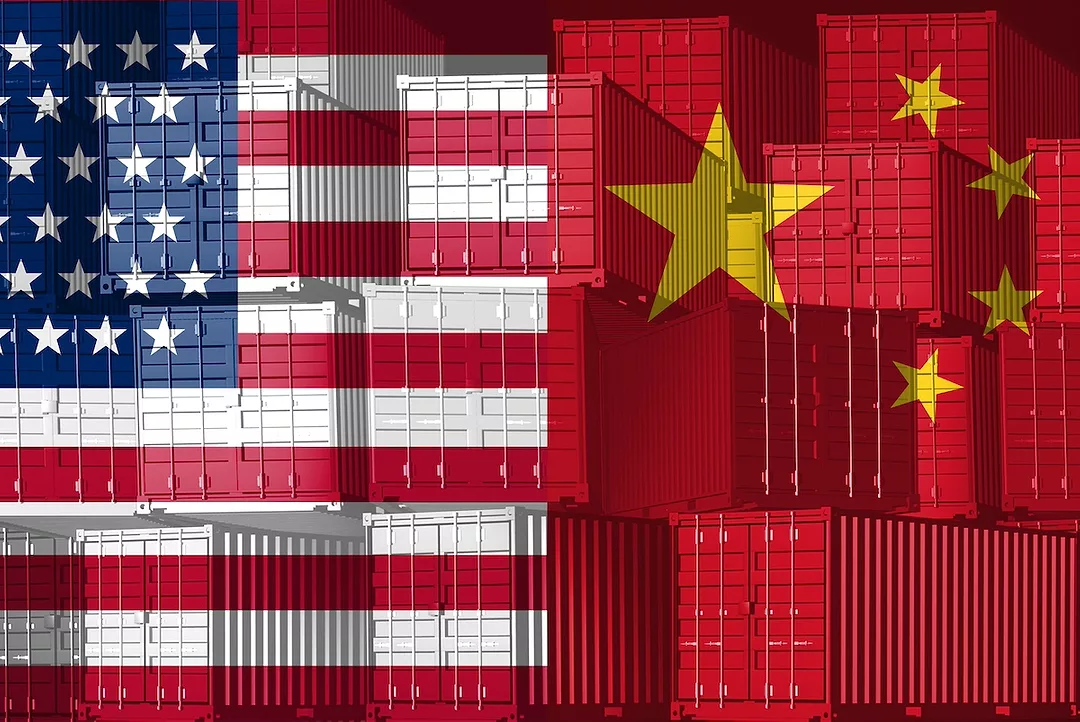
China has announced a temporary suspension of some additional tariffs on American goods. The Ministry of Finance announced that the country will waive the 24 percent tariff for a year, but will maintain the current rate of 10 percent. Beijing believes this step will help strengthen trade and economic relations with the United States and create the foundation for more stable cooperation between the world’s two largest economies.
China’s decision followed talks in Kuala Lumpur, where Washington agreed to lift the previously imposed 10 percent tariff related to fentanyl and supported the extension of the suspension of the 24 percent tariffs on both sides. China, for its part, will also adjust its retaliatory measures. These agreements followed a meeting between Donald Trump and Xi Jinping at Gimhae Air Base in South Korea. The two leaders confirmed a one-year trade agreement, which should stabilize the situation at least in the short term. Relations between Beijing and Washington have been tense for several years and have effectively escalated into a protracted trade war. It began when the US administration imposed a 10% tariff on all Chinese imports, which then gradually increased to unprecedented levels. China responded with retaliatory measures, and eventually the mutual tariffs reached levels that caused significant damage to both economies. Several times, the two sides attempted to pause and temporarily reduce the tariffs, but each time, tensions returned.
Since Donald Trump’s return to the White House, US trade policy has become even more stringent. Washington has increased pressure not only on China, but also on Mexico, Canada, and countries with ties to Russia. The US administration’s announcement of its readiness to impose 100% tariffs on Russian imports and additional restrictions on countries purchasing Russian energy resources has been particularly resonant.
For China, such threats are particularly significant, as the country remains one of the largest buyers of Russian oil. In 2023, imports exceeded 100 million tons, and this figure is expected to rise again in 2024. Chinese Foreign Ministry spokesman Guo Jiakun emphasized that Beijing will protect its national interests and ensure energy security by making decisions based on its own strategic objectives.